

Content creation has changed significantly as audiences increasingly expect information to be useful, visually engaging, and easy to consume across different formats. A single blog post is no longer always enough to capture attention. Creators now combine written explanations with graphics, short videos, audio clips, interactive elements, screenshots, animations, and other forms of media. This approach, commonly described as multimodal content, allows the same idea to reach people with different preferences and consumption habits.
The rise of artificial intelligence has made this creative process more accessible. Instead of treating writing, visual design, video production, and audio creation as completely separate activities, modern creators can use AI-assisted workflows to brainstorm and organize ideas across multiple formats. DeepSeekPlay Com can be considered within this broader trend of AI-supported content development, particularly when creators are exploring ways to transform one concept into several complementary content formats.
The most effective multimodal strategy is not simply about producing more media. It is about selecting the right format for a particular message. A detailed explanation may work well as an article, while a complicated process could become easier to understand through an infographic or short video. When these formats support one another rather than repeat the same information, creators can build a stronger and more flexible content experience.
What Is Multimodal Content Creation?
Multimodal content creation involves communicating an idea through two or more forms of media. Text, images, audio, video, animation, charts, presentations, and interactive components can all become part of a multimodal content strategy. The purpose is not to add media simply for decoration but to use different formats where they improve understanding, engagement, or accessibility.
For example, imagine a creator publishing an article about productivity software. The article could explain the major concepts in detail, while a comparison table could summarize important differences. A short video could demonstrate the workflow, and an infographic could present the process visually. An audio version could make the information available to people who prefer listening while commuting or working. Each format has a distinct purpose while remaining connected to the same central topic.
This approach is particularly relevant in the current creator economy, where audiences move between websites, social platforms, video services, newsletters, podcasts, and mobile applications. A creator who develops content with multiple formats in mind can potentially adapt a single research project into several useful assets instead of starting from zero every time.
How DeepSeekPlay Com Can Support Idea Development
One of the biggest challenges for modern creators is not always producing content but deciding what to create in the first place. A topic may appear simple initially, yet it can contain several possible angles. An AI-assisted brainstorming workflow can help creators examine a subject from different perspectives and identify opportunities for text, visual, audio, and video content.
DeepSeekPlay Com can be incorporated into this type of ideation process by treating the initial concept as a starting point rather than a finished piece. A creator might begin with a broad subject and develop related story angles, audience questions, examples, explanations, and visual concepts. The important step is to review the resulting ideas critically and select those that genuinely contribute something useful to the audience.
A practical workflow could begin with a central topic, followed by audience research and content mapping. The creator can then determine which elements belong in the main article, which deserve visual treatment, and which could become short-form content. This prevents the common problem of creating multiple pieces that are technically different but communicate exactly the same information.
Turning One Topic Into Multiple Content Formats
The strongest multimodal workflows often begin with one well-researched idea. Instead of creating every asset independently, creators can build a central content piece and then adapt its important concepts into other formats. This method saves creative energy while maintaining consistency across the content ecosystem.
Consider a technology creator researching how artificial intelligence is changing everyday work. The primary article could discuss the subject in detail. Several important statistics or concepts could become infographic material, while practical examples could be converted into a short video. A discussion of common misconceptions might work as a social media carousel, and the main arguments could be adapted into an audio discussion.
| Content Format | Best Use | Example |
|---|---|---|
| Article | Detailed explanation | Complete guide to an emerging technology |
| Infographic | Visual summary | Key trends and statistics |
| Video | Demonstration | Step-by-step workflow |
| Audio | Discussion and storytelling | Expert-style topic breakdown |
| Carousel | Quick learning | Five important lessons from the topic |
This model gives creators a content framework that can expand without becoming repetitive. The central research remains consistent, but each format is designed around the behavior of its audience. DeepSeekPlay Com can therefore be used as part of the early ideation process, helping creators explore how one subject could be interpreted through different communication modes.
Creative Ideas for Text and Visual Content
Text remains important because it provides context, depth, and search-friendly information. However, even a well-written article can become more engaging when visual elements are planned alongside the writing. Instead of writing first and deciding afterward where images might fit, creators can identify visual opportunities during the research stage.

For example, a tutorial could include process diagrams, screenshots, comparison graphics, timelines, or annotated illustrations. A business article might benefit from a simple data visualization, while a travel story could combine descriptive writing with maps and location-focused photography. Educational content can use diagrams to explain relationships that would require several paragraphs of text.
Creators can also develop visual storytelling around a single article. A detailed guide might generate several social graphics, an introductory illustration, and a concise summary image. The visual assets should maintain a consistent theme so that audiences recognize them as parts of the same content series.
Developing Short-Form Video Concepts
Short-form video has become an important part of digital content distribution because audiences often discover topics through brief visual explanations before deciding whether to explore longer material. Creators can therefore design video ideas directly from their research rather than treating video as an unrelated project.
A useful short video does not necessarily need elaborate production. A simple explanation, screen recording, visual demonstration, animated sequence, or narrated presentation can communicate an idea effectively. The key is to focus on one clear message instead of attempting to summarize an entire article in a few seconds.
DeepSeekPlay Com can be part of the brainstorming stage when creators want to transform a broad subject into several focused video concepts. For example, a long article about productivity could become separate videos explaining common mistakes, practical techniques, useful workflows, and beginner tips. This creates a connected content series while allowing each video to have its own purpose.
Using Audio for Deeper Audience Engagement
Audio provides another opportunity to repurpose valuable research. Some audiences prefer listening to information while exercising, commuting, cooking, or completing routine tasks. Turning written ideas into narrated explanations, podcast segments, interviews, or discussion-style episodes can therefore extend the life of existing research.
However, audio should not simply be a word-for-word reading of every article. A better approach is to adapt the material for listening. Sentences can become more conversational, complex visual references can be explained verbally, and examples can be expanded where they improve understanding.
Creators can also use audio as a way to explore topics from a personal perspective. A written article may focus on facts and structured explanations, while an audio episode can discuss lessons learned, creative challenges, practical experiences, or different interpretations of the same subject.
Building Interactive and Educational Experiences
Multimodal content becomes particularly powerful when audiences are encouraged to participate rather than only consume information. Interactive quizzes, calculators, polls, diagrams, guided exercises, and decision-based experiences can transform passive content into something more engaging.
For educational creators, a single lesson can include an explanatory article, a visual diagram, a short instructional video, and a quiz that checks understanding. For business creators, an industry report could be supported by an interactive comparison or calculator. For technology publishers, tutorials could combine written instructions with demonstrations and troubleshooting visuals.
The goal should always be usefulness. An interactive feature should help the audience understand, compare, calculate, or make sense of something. Adding interaction without a clear purpose can make a page more complicated rather than more valuable.
Practical Multimodal Workflow for Modern Creators
A structured workflow can make multimodal production easier. Instead of beginning with individual assets, creators can start by identifying the main audience and the central question they want to answer. Research then becomes the foundation for every subsequent format.
A simple workflow can include:
- Define the audience, topic, purpose, and primary question.
- Research the subject and identify the strongest supporting information.
- Develop text, visual, audio, and video opportunities from the same research.
- Adapt each idea to the format instead of copying identical content everywhere.
- Review every asset for accuracy, clarity, originality, and consistency.
This approach reduces unnecessary duplication. It also makes it easier to maintain a recognizable creative voice across different channels. AI-assisted brainstorming can help generate possibilities, but human review remains essential for deciding which concepts deserve development.
Avoiding Repetition Across Multiple Formats
One of the biggest risks in multimodal publishing is content repetition. If an audience encounters the same paragraph as a social caption, the same explanation in a video, and the same wording in an infographic, the experience can quickly become predictable.
Creators should instead give each format a different job. The article can provide depth, the infographic can summarize, the video can demonstrate, and the audio episode can explore opinions or practical experiences. The core facts can remain consistent while the presentation changes according to the strengths of each medium.
DeepSeekPlay Com can fit into this process as an idea-generation component, but the creator should make the final editorial decisions. Originality comes from the combination of research, perspective, examples, structure, storytelling, and human judgment rather than simply producing a larger quantity of AI-assisted material.
Quality, Accuracy, and Human Creativity
AI-assisted creation can accelerate brainstorming, but speed should not become the primary measure of success. Modern audiences have access to enormous amounts of automatically generated content, which makes useful originality increasingly important. Creators need to add personal insight, reliable research, practical examples, and clear explanations to distinguish their work.
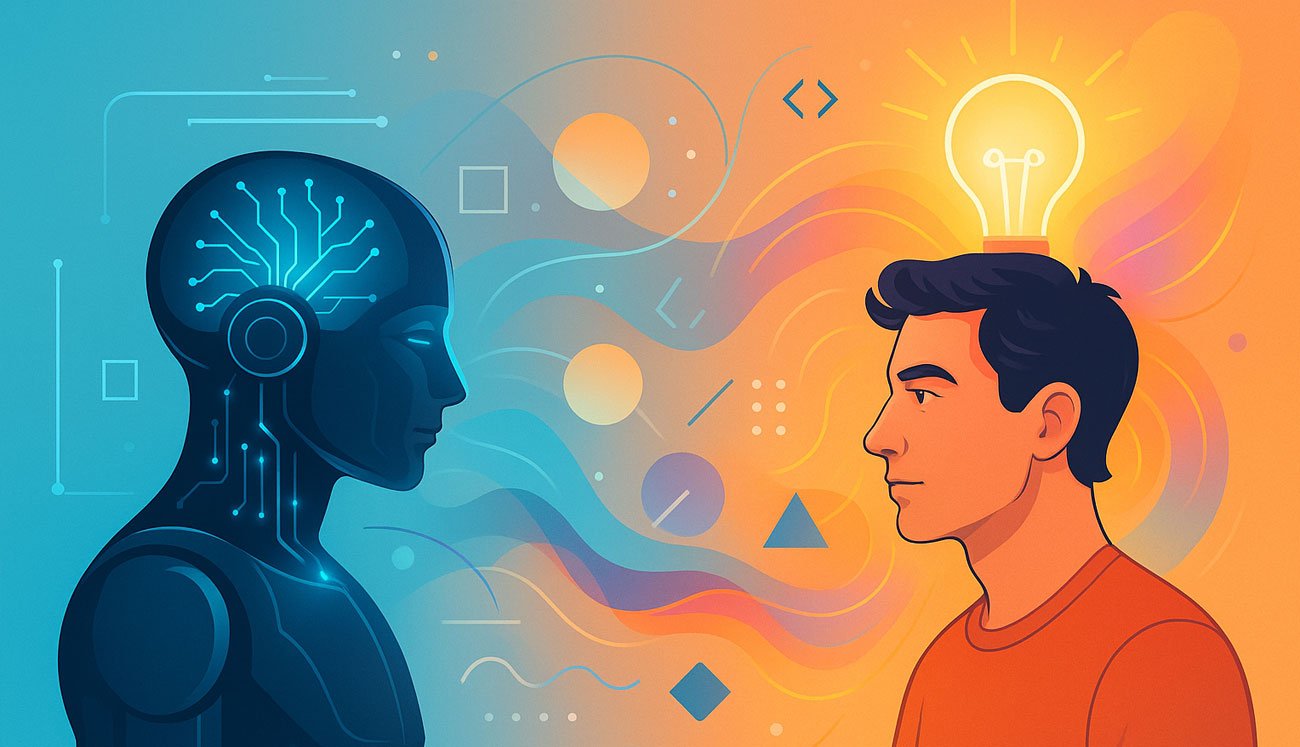
Every generated idea should therefore be reviewed before publication. Claims should be checked, examples should make sense for the intended audience, and visual concepts should accurately represent the accompanying information. Creators should also maintain a consistent editorial voice instead of allowing every asset to sound or look completely different.
The strongest role for AI in multimodal content is often as a creative assistant rather than a replacement for editorial judgment. DeepSeekPlay Com can be incorporated into brainstorming and planning, while the creator remains responsible for determining what is useful, accurate, relevant, and appropriate for publication.
The Future of Multimodal Content Creation
The future of digital publishing is likely to become increasingly format-flexible. Audiences will continue consuming information through combinations of text, video, audio, images, interactive features, and emerging interfaces. Creators who think about content as a connected system rather than a collection of individual posts can build more adaptable publishing strategies.
Artificial intelligence is also making experimentation easier. Creators can explore alternative headlines, story structures, visual concepts, video scripts, and content variations before choosing the strongest direction. The challenge will be maintaining quality as production becomes faster.
The most valuable creators will not necessarily be those who publish the greatest volume. Instead, strong creators can be expected to focus on meaningful ideas, audience needs, distinctive perspectives, and effective storytelling. Multimodal production works best when technology supports those goals rather than becoming the goal itself.
Conclusion
Multimodal content gives modern creators a practical way to communicate the same central idea through different experiences. Articles can provide depth, videos can demonstrate concepts, graphics can simplify information, audio can encourage deeper engagement, and interactive features can make learning more participatory. When these formats are planned together, one research project can become a complete content ecosystem without feeling repetitive. DeepSeekPlay Com can be considered within this broader AI-assisted creative workflow, particularly during brainstorming, topic development, and content planning. The real value, however, comes from how creators evaluate and transform ideas into useful experiences for their audiences. Human creativity, research, editorial judgment, and originality remain central to producing content that people find genuinely valuable.

