

Managing time effectively has become an essential skill in modern life. Between professional responsibilities, personal commitments, digital notifications, meetings, and unexpected tasks, it is easy to feel busy throughout the day without making meaningful progress. Many people begin their mornings with a clear idea of what they want to accomplish but struggle to maintain that direction as new priorities appear. Personal task tracking offers a practical way to organize responsibilities, understand how time is spent, and create a more balanced daily routine. Rather than relying entirely on memory, individuals can use a structured system to record tasks, establish priorities, and monitor their progress.
In the current digital environment, time management is no longer limited to maintaining a traditional to-do list. People increasingly need flexible methods that accommodate changing schedules, remote work, digital collaboration, and personal development goals. The concept behind deepseekplay com can be explored in this context as part of a broader approach to personal productivity, task organization, and effective planning. A useful tracking system helps individuals turn general intentions into manageable actions while providing a clearer picture of their workload. The objective is not to fill every available minute with activity but to make deliberate decisions about where attention and effort should go.
Personal task tracking can benefit students, employees, freelancers, entrepreneurs, and anyone balancing several responsibilities. When tasks are recorded, prioritized, and reviewed regularly, it becomes easier to identify deadlines, avoid unnecessary distractions, and maintain consistent progress. The following guide explains how personal task tracking works, why it matters in 2026, and how to incorporate it into a practical time management routine without making everyday planning unnecessarily complicated.
Understanding Personal Task Tracking and Its Importance
Personal task tracking is the process of recording responsibilities, organizing them according to importance, and monitoring their completion. It provides a reliable overview of what needs attention, what has already been accomplished, and what requires additional time. A tracking system may be as simple as a notebook or as advanced as a digital productivity application with reminders, calendars, recurring tasks, and progress reports. The most suitable option depends on the individual’s schedule, working habits, and the complexity of their responsibilities.
One of the main advantages of personal task tracking is that it reduces dependence on memory. Remembering several appointments, deadlines, household responsibilities, and unfinished assignments simultaneously can consume mental energy. Writing these commitments down creates a dependable reference point and makes it easier to concentrate on the task currently in progress. A well-maintained list also prevents smaller responsibilities from being overlooked simply because a more urgent activity demands immediate attention. Over time, this approach can make daily routines more predictable and manageable.
The value of deepseekplay com in a productivity discussion lies in considering how digital tools and organized workflows can support personal task management. However, an effective routine does not depend on any single platform. The essential principles remain consistent: capture tasks accurately, determine their importance, estimate the time required, and review progress regularly. When these habits become part of everyday life, task tracking can support better decisions rather than becoming another responsibility that demands constant attention.
How Personal Task Tracking Improves Time Management
Creating Clear Daily Priorities
Effective time management begins with understanding which activities deserve attention first. Without clear priorities, people often spend valuable hours responding to easy requests while postponing important projects that require concentration. A task tracking system helps distinguish between urgent responsibilities, meaningful long-term work, and optional activities. This distinction allows individuals to make more thoughtful decisions about how to use limited time.
For example, a student preparing for an examination might have revision, assignment completion, household responsibilities, and entertainment competing for attention. Recording these activities and assigning realistic deadlines makes it easier to identify the most important work. Instead of repeatedly deciding what to do next, the student can follow a prepared schedule while leaving room for unexpected changes. The same method applies to professionals managing client requests, reports, meetings, and personal commitments.
A practical approach is to select three important outcomes at the beginning of each day. These outcomes should represent meaningful progress rather than an unrealistic collection of minor activities. Smaller tasks can still be recorded, but the primary objectives provide direction. When the schedule becomes crowded, these priorities help individuals decide which activities should remain protected and which can be postponed.
Reducing Procrastination and Mental Overload
Procrastination often occurs when a task appears difficult, unclear, or overwhelming. A large project can feel impossible to begin when its requirements have not been broken into smaller actions. Personal task tracking addresses this problem by turning broad objectives into specific, achievable steps. Instead of recording a vague responsibility such as completing a business project, an individual can list research, outlining, drafting, reviewing, and final preparation as separate activities.
Smaller tasks provide clear starting points and make progress easier to recognize. Completing one step creates a sense of achievement that can encourage continued effort. It also becomes easier to estimate how much work remains and determine whether additional time or resources are necessary. This is especially useful for people who frequently delay important assignments because they do not know where to begin.
Another benefit is the reduction of mental clutter. Unrecorded responsibilities can repeatedly return to a person’s thoughts, even during unrelated activities. Keeping them in a trusted system makes it possible to concentrate on the present task without constantly worrying about forgetting something. Although task tracking cannot eliminate every source of stress, it can create a stronger sense of control over everyday commitments.
Building a Reliable Personal Task Tracking System
Choosing a Method That Fits Your Routine
The best task tracking system is one that remains easy to maintain. Some individuals prefer handwritten planners because they provide a distraction-free environment and make daily planning feel deliberate. Others prefer digital applications because they can organize large numbers of tasks, send reminders, and synchronize information across devices. A calendar may be sufficient for appointment-based schedules, while a project management tool can help people handle multiple ongoing responsibilities.
When considering a digital approach such as deepseekplay com, users should focus on the practical features that support their daily workflow rather than selecting a tool solely because it offers many functions. A simple system that is reviewed consistently is generally more useful than a complicated one that becomes difficult to maintain. People should consider whether they need recurring reminders, deadline tracking, categories, priority labels, time estimates, or progress summaries before introducing additional features.
It is also important to avoid spreading responsibilities across too many separate systems. Keeping some tasks in a notebook, others in email, and additional reminders in several applications can create confusion. A primary task list supported by a calendar is often enough for ordinary personal and professional needs. The purpose of the system is to make information easier to find and act upon, not to create another layer of administration.
Organizing Tasks Into Manageable Categories
Categorization helps individuals understand the different areas competing for their attention. Common categories include work, education, household responsibilities, health-related routines, finances, and personal development. These categories make it easier to notice when one area is receiving too much attention while another is being neglected. They also help people plan their time according to the nature of each responsibility.
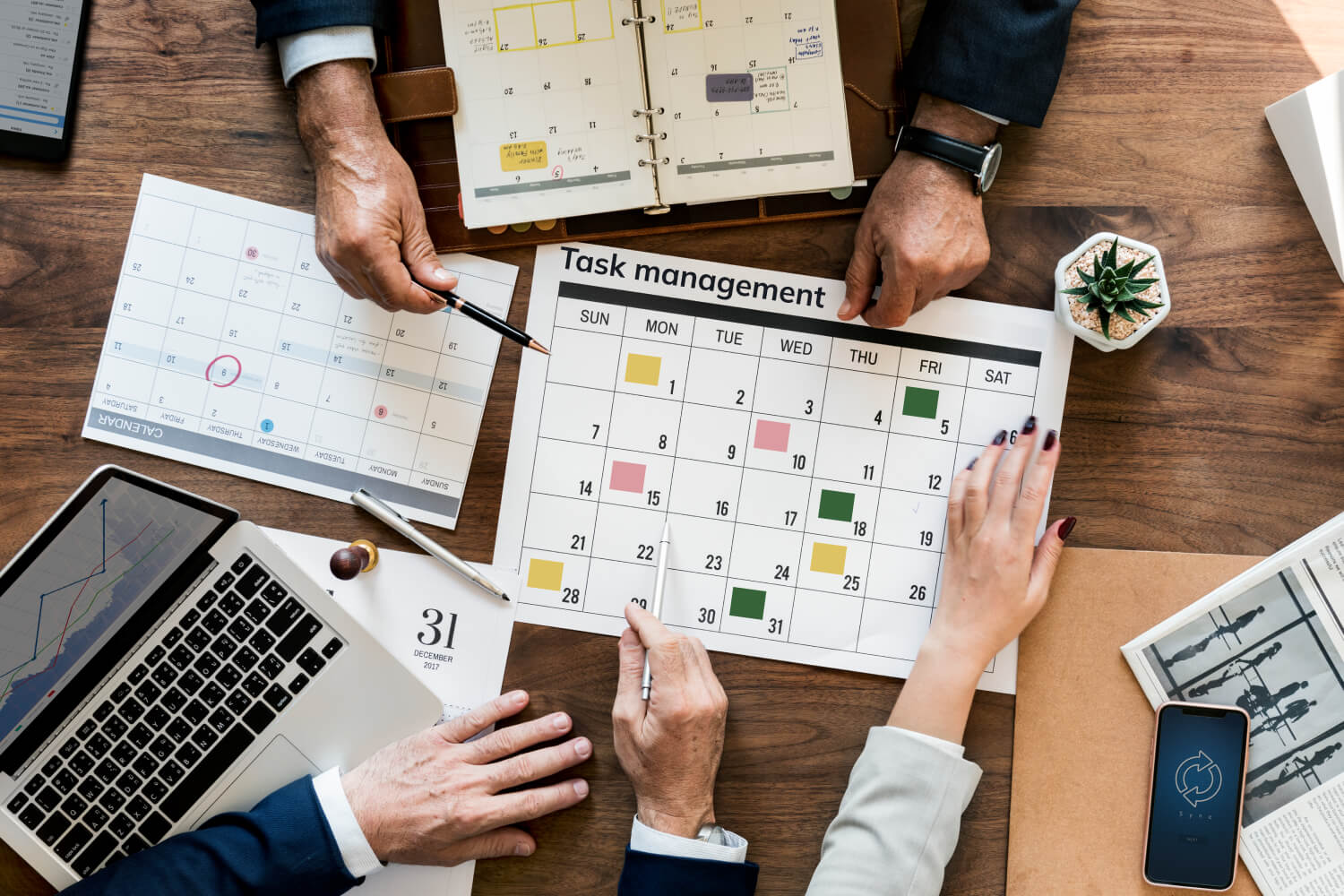
For example, a freelancer might organize tasks into client communication, project delivery, business administration, and learning. This structure makes it easier to reserve specific periods for focused work instead of switching repeatedly between unrelated activities. Someone managing a household could separate shopping, cleaning, appointments, and family commitments to ensure that routine responsibilities are handled without overwhelming the entire day.
Categories should remain simple and meaningful. Creating too many labels can make task entry unnecessarily complicated, particularly when responsibilities overlap. A practical system usually needs only a handful of categories, supplemented by deadlines and priority levels where appropriate. As schedules change, categories can be adjusted to reflect new responsibilities or changing personal goals.
Practical Techniques for Better Task Management
Several established time management methods can make task tracking more effective. Their purpose is not to force everyone into the same routine but to provide flexible structures for planning work, maintaining attention, and managing energy.
The time-blocking method assigns specific periods to particular activities. For example, a professional might reserve the first hour of the morning for focused project work, the next period for communication, and the afternoon for meetings and administrative tasks. This approach reduces the tendency to treat the entire day as an open space in which everything competes for attention. It also helps reveal whether the planned workload fits the available hours.
The Pomodoro technique offers another useful approach by dividing focused work into short sessions separated by breaks. A common format involves working for approximately 25 minutes and then taking a short break, although the duration can be adjusted according to the task. This method may help individuals begin difficult assignments and maintain concentration without attempting to work continuously for several hours. For complex activities requiring extended focus, longer sessions may be more appropriate.
The two-minute rule can also help with minor responsibilities. If an activity genuinely takes around two minutes and does not interrupt important work, completing it immediately may be more efficient than recording it for later. However, this principle should not become an excuse to abandon focused work whenever a small request appears. Timing and context matter. The most effective system combines practical techniques with sound judgment.
Daily Habits That Make Tracking Sustainable
Consistency is more important than complexity when developing a reliable task management routine. The following habits can help individuals maintain their system without spending excessive time planning.
- Plan the day in advance: Spend a few minutes identifying important tasks and reviewing upcoming deadlines.
- Estimate task duration: Assign realistic time expectations instead of assuming every activity will be completed quickly.
- Record progress honestly: Mark completed tasks and update unfinished responsibilities when circumstances change.
- Review the day: Identify accomplishments, delays, and improvements that could make tomorrow more manageable.
These habits create a continuous cycle of planning, action, and reflection. The objective is to improve the quality of decisions over time rather than achieve a perfect record every day. Unexpected meetings, emergencies, and personal responsibilities will sometimes disrupt even a carefully prepared schedule. A useful tracking system should accommodate these changes instead of treating every delay as a failure.
Comparing Common Personal Task Tracking Methods
Different tracking methods offer different advantages. Understanding these differences helps individuals choose an approach that matches their responsibilities, technical preferences, and available time.
| Tracking method | Main advantage | Potential limitation | Best suited for |
|---|---|---|---|
| Paper planner | Simple, tactile, and distraction-free | Manual updates and limited reminders | Personal routines and straightforward schedules |
| Digital task list | Quick editing, categorization, and notifications | Notifications may become distracting | Busy individuals with changing responsibilities |
| Calendar-based planning | Makes deadlines and time commitments visible | Can become crowded with excessive detail | Appointment-heavy schedules |
| Project management system | Supports complex projects and multiple stages | May require extra setup and maintenance | Freelancers, teams, and project-based work |
| Spreadsheet tracker | Flexible organization and customizable reporting | Requires manual configuration | People who prefer structured tracking and progress analysis |
A method should be evaluated according to how effectively it supports everyday decisions. A student with a few assignments may not need a comprehensive project management system, while a freelancer handling several clients might benefit from detailed deadlines and project stages. The right choice can also change as responsibilities grow. Starting with a simple method and adding features only when necessary helps prevent unnecessary complexity.
Using Personal Task Tracking in the Modern Digital Environment
Digital productivity has evolved as people increasingly work across devices, collaborate remotely, and manage both professional and personal responsibilities online. In 2026, many individuals use combinations of calendars, task lists, automated reminders, and AI-assisted planning features to manage their workloads. These tools can help summarize responsibilities, suggest schedules, or break broad objectives into smaller steps. Nevertheless, their usefulness depends on the quality of the information provided and the user’s ability to review suggested plans critically.
The broader productivity approach associated with deepseekplay com can be considered alongside these developments by focusing on organized task workflows and practical time management. AI-assisted tools may help users brainstorm task sequences, create preliminary schedules, or identify recurring activities. However, automatically generated plans should not be treated as guaranteed solutions. A suggested schedule may overlook personal commitments, underestimate the difficulty of a task, or fail to account for the energy required to complete it.
Privacy and reliability are also important considerations. Personal task lists may contain client information, private appointments, financial reminders, or other sensitive details. Users should understand an application’s data practices, account security options, and access permissions before storing confidential information. Important deadlines should also have appropriate backup arrangements when missing them could create serious consequences. Technology can make planning more convenient, but responsible use remains essential.
Measuring Progress Without Becoming Obsessed With Productivity
Tracking progress provides useful feedback about how time is being used. However, measuring every minute is not necessary for everyone, and excessive monitoring can create pressure without improving results. A more balanced approach focuses on meaningful indicators, such as whether important tasks are completed, whether deadlines are consistently met, and whether enough time remains for rest and personal responsibilities.
For instance, someone who repeatedly schedules six hours of focused work but completes only three may need to examine their estimates, interruptions, or workload. The solution may involve reducing the number of planned tasks, allowing more time for complex assignments, or setting clearer boundaries around communication. Progress information becomes valuable when it helps identify the cause of a problem and supports a realistic adjustment.
A weekly review is particularly useful because it reveals patterns that may not be obvious during an individual day. Users can examine which activities took longer than expected, which priorities were repeatedly postponed, and which routines produced reliable results. They can then make targeted changes to the following week’s plan. The purpose is to create a sustainable working rhythm, not to maximize activity at the expense of health, relationships, or personal satisfaction.
Common Personal Task Tracking Mistakes to Avoid
One frequent mistake is creating an excessively long daily list. Recording every possible activity may feel productive, but an unrealistic plan often leads to frustration when several tasks remain unfinished. Individuals should distinguish essential outcomes from optional activities and leave sufficient room for unexpected work. A shorter, realistic list can provide better direction than a detailed schedule that assumes every minute will go according to plan.

Another problem is spending more time organizing tasks than completing them. Constantly changing labels, redesigning dashboards, and testing new productivity applications can become forms of avoidance. A tracking system should require only enough maintenance to keep responsibilities clear. Once a method works reliably, users should focus on following it rather than repeatedly rebuilding it.
People may also treat every task as equally important. This can result in minor activities taking priority over meaningful goals that require sustained effort. Assigning priority levels, reviewing deadlines, and considering the consequences of delay can improve decision-making. At the same time, not every personal responsibility needs to be optimized. Rest, family time, hobbies, and unstructured periods have value even when they do not produce measurable outcomes.
Finally, users sometimes abandon task tracking after missing a few days. A missed review does not mean the entire system has failed. The practical response is to update the list, reconsider outstanding commitments, and resume planning. Flexibility makes a tracking method more sustainable because it recognizes that real life rarely follows a perfectly predictable schedule.
Creating a Personalized Time Management Routine
Developing a sustainable routine begins with identifying the responsibilities that matter most. Individuals should record their current commitments, note important deadlines, and determine which activities regularly consume more time than expected. This initial overview helps establish a realistic starting point instead of building a schedule around assumptions. It can also reveal responsibilities that are no longer necessary or that could be simplified.
A useful routine includes a short planning session, focused work periods, and a brief end-of-day review. During planning, users identify their most important outcomes and reserve time for activities that require concentration. During the day, they update the tracker when significant changes occur rather than repeatedly checking it without purpose. At the end of the day, they record completed work, move unfinished tasks to appropriate dates, and prepare for the next morning.
People exploring deepseekplay com and similar productivity concepts should remember that an effective task management approach is personal. A schedule that works for a remote employee may not suit a student attending classes or a parent managing unpredictable household responsibilities. The system should reflect real circumstances, available energy, and individual goals. By adjusting the method gradually, users can develop habits that support consistent progress without creating unnecessary pressure.
Conclusion
Personal task tracking is a practical foundation for better time management because it transforms scattered responsibilities into an organized plan. By recording tasks, setting priorities, estimating duration, and reviewing progress, individuals can make more deliberate use of their time. These practices help reduce mental clutter, improve accountability, limit avoidable procrastination, and make long-term goals easier to approach through smaller actions.

.png&description=Discover how personal task tracking improves time management, builds productive habits, reduces stress, and helps you achieve daily goals with smarter planning.)