

Daily productivity has changed significantly as digital tools have become more intelligent and easier to integrate into everyday routines. People no longer need to manage every reminder, note, schedule, research task, and repetitive activity manually. Personal AI assistants are increasingly becoming practical productivity companions that can help organize information, reduce routine workload, and provide assistance when users need it. From planning a busy morning to summarizing lengthy information, these systems can support many aspects of personal and professional life.
The growing interest in AI-powered productivity is also changing how people think about digital assistance. Instead of using separate applications for every small task, users can increasingly rely on intelligent systems that understand natural-language instructions and help connect different activities into a more organized workflow. The concept explored through deepseekplay com reflects this broader movement toward AI-assisted productivity, where technology is used not simply to automate tasks but also to help people make better use of their time.
What Are Personal AI Assistants?
Personal AI assistants are intelligent software systems designed to help individuals complete tasks, organize information, answer questions, and manage aspects of their daily routines. Unlike traditional digital assistants that may depend heavily on predefined commands, modern AI systems can understand conversational requests and respond with contextually relevant information. A user might ask an assistant to organize a day’s priorities, summarize meeting notes, explain a complicated subject, draft a message, or create a simple plan for completing several tasks.
Their usefulness comes from their ability to handle different types of information within a single interaction. For example, someone preparing for an important presentation might use an AI assistant to create an outline, identify missing topics, simplify technical explanations, and prepare questions that an audience might ask. This reduces the amount of time spent switching between different productivity tools and allows the individual to concentrate on higher-value decisions.
How AI Assistants Improve Daily Productivity
One of the biggest advantages of personal AI assistants is their ability to reduce the mental effort associated with routine work. Productivity is not always limited by the amount of time available; people can also become overwhelmed by remembering small responsibilities, deciding what to do next, and repeatedly processing similar information. An intelligent assistant can help transform a collection of scattered tasks into a clearer workflow.
For example, a person might begin the day with several unfinished emails, meetings, research assignments, household responsibilities, and personal goals. Rather than attempting to handle everything randomly, an AI assistant can help categorize tasks according to urgency, estimated effort, and importance. The resulting structure can make the day feel more manageable while helping the user focus on one meaningful objective at a time.
The productivity benefits discussed in deepseekplay com become particularly relevant when AI is used as a supporting layer rather than as a replacement for human judgment. The assistant can organize information and suggest options, while the individual remains responsible for deciding what actually matters.
AI for Planning and Time Management
Effective planning requires more than creating a long task list. A useful plan needs realistic priorities, reasonable time estimates, and flexibility when unexpected events occur. Personal AI assistants can help users turn broad goals into smaller activities that are easier to complete. Instead of simply recording “prepare project,” an assistant can break the objective into research, outlining, drafting, reviewing, and final preparation.
AI can also help users identify conflicts between commitments. If a person has multiple deadlines during the same week, an assistant can help create a sequence based on urgency and workload. This is especially useful for students, freelancers, professionals, and entrepreneurs who frequently manage several projects at the same time.
However, AI-generated schedules should not be treated as perfect predictions. Human responsibilities often change unexpectedly, and estimated completion times can vary considerably. The most effective approach is to use AI planning as a starting point and adjust the schedule according to real circumstances.
AI-Powered Information Management
Modern users deal with enormous quantities of information every day. Emails, documents, messages, reports, articles, meeting notes, and online resources can quickly become difficult to manage. Personal AI assistants can help reduce this information overload by summarizing content, extracting important points, comparing information, and organizing ideas.
Consider a professional who receives a lengthy report before an important meeting. Reading every page may take significant time, particularly when the report contains background information that is not directly relevant to the discussion. An AI assistant can help identify the central arguments, important figures, major conclusions, and potential questions. The professional can then review the original document when necessary while starting with a clearer understanding of its contents.
This approach does not eliminate the need for careful reading when accuracy is important. Instead, AI acts as an initial information-processing layer that helps people determine where their attention is most valuable.
Personal AI Assistants for Communication
Communication is another area where AI assistants can save considerable time. Writing emails, preparing announcements, rewriting complicated explanations, and adapting messages for different audiences can be repetitive. AI can help users create initial drafts and adjust tone, structure, clarity, and length.

For example, a freelancer may need to explain a technical issue to a client who does not have a technical background. An AI assistant can help transform complicated terminology into straightforward language while maintaining the essential meaning. Similarly, a manager can use AI to create a concise project update from several notes and then personalize the final message before sending it.
The human review stage remains important because communication depends on context, relationships, and intention. AI can produce fluent text, but the user should verify facts and make sure the final message accurately represents what they want to say.
Where Personal AI Assistants Can Make the Biggest Difference
The practical value of AI becomes easier to understand when its applications are considered across everyday activities. Rather than expecting one system to completely manage a person’s life, users can apply AI selectively to tasks where it provides meaningful assistance.
| Daily Activity | How AI Can Help | Main Productivity Benefit |
|---|---|---|
| Planning | Organize priorities and break goals into steps | Better time management |
| Research | Summarize and explain information | Faster understanding |
| Writing | Create and refine drafts | Reduced writing effort |
| Learning | Explain concepts and generate practice material | More efficient study |
| Organization | Categorize notes and ideas | Easier information retrieval |
These applications demonstrate why AI productivity tools are becoming more flexible. The same assistant can potentially support several different activities throughout the day, making it more useful than a narrowly designed tool that performs only one function.
Using AI for Learning and Skill Development
Personal AI assistants can also become useful learning companions. Instead of simply searching for an answer, users can ask AI to explain a concept at different levels of difficulty, provide examples, generate practice questions, or identify areas that require additional study. This interactive approach can make learning more adaptable to individual needs.
For someone learning a technical subject, for instance, an AI assistant can explain a concept in simple language before gradually introducing more advanced terminology. The learner can then ask follow-up questions without worrying about whether the question is too basic or too specific. This creates an environment where curiosity can guide the learning process.
The growing AI ecosystem represented by deepseekplay com also highlights how productivity and learning are increasingly connected. Better information processing can help people learn faster, while better learning can improve the quality of decisions they make during everyday work.
Reducing Repetitive Work
Repetitive tasks are often small individually but can consume a significant amount of time when repeated every day. Formatting information, creating summaries, organizing notes, preparing routine drafts, and converting unstructured ideas into structured plans are examples of activities that AI can assist with.
The key advantage is not simply speed. Reducing repetitive work can preserve attention for tasks requiring creativity, judgment, interpersonal skills, and strategic thinking. A designer, for example, may use AI to organize research notes so more time remains for developing creative concepts. A business owner may use AI to summarize routine information while concentrating on customer relationships and business decisions.
Users should nevertheless avoid automating tasks simply because automation is available. The best candidates are activities that are repetitive, predictable, and easy to review. Tasks involving sensitive decisions or significant consequences may require much stronger human oversight.
How to Build an AI-Assisted Daily Routine
A productive AI routine should begin with a small number of practical use cases rather than attempting to automate everything immediately. Users can start by identifying activities that consistently consume time without providing much personal value. These might include organizing daily priorities, summarizing information, preparing drafts, or converting notes into actionable tasks.
A simple routine could begin with a morning planning session. The user can identify important objectives, review deadlines, and ask AI to organize the day’s workload. During the day, the assistant can help with research, writing, or information processing. At the end of the day, it can help summarize unfinished work and prepare priorities for tomorrow.
A useful starting checklist includes:
- Identify repetitive tasks that consume unnecessary time.
- Use AI for organization before attempting complex automation.
- Review AI-generated information before acting on it.
- Gradually expand AI use as the workflow becomes reliable.
This gradual approach makes it easier to understand where AI actually improves productivity rather than creating additional complexity.
The Importance of Human Judgment
Despite their capabilities, personal AI assistants should not be treated as independent decision-makers. AI can generate suggestions based on available information, but it may misunderstand context, produce inaccurate statements, or overlook important details. Human judgment remains essential, especially when decisions involve money, legal matters, health, employment, privacy, or sensitive personal information.
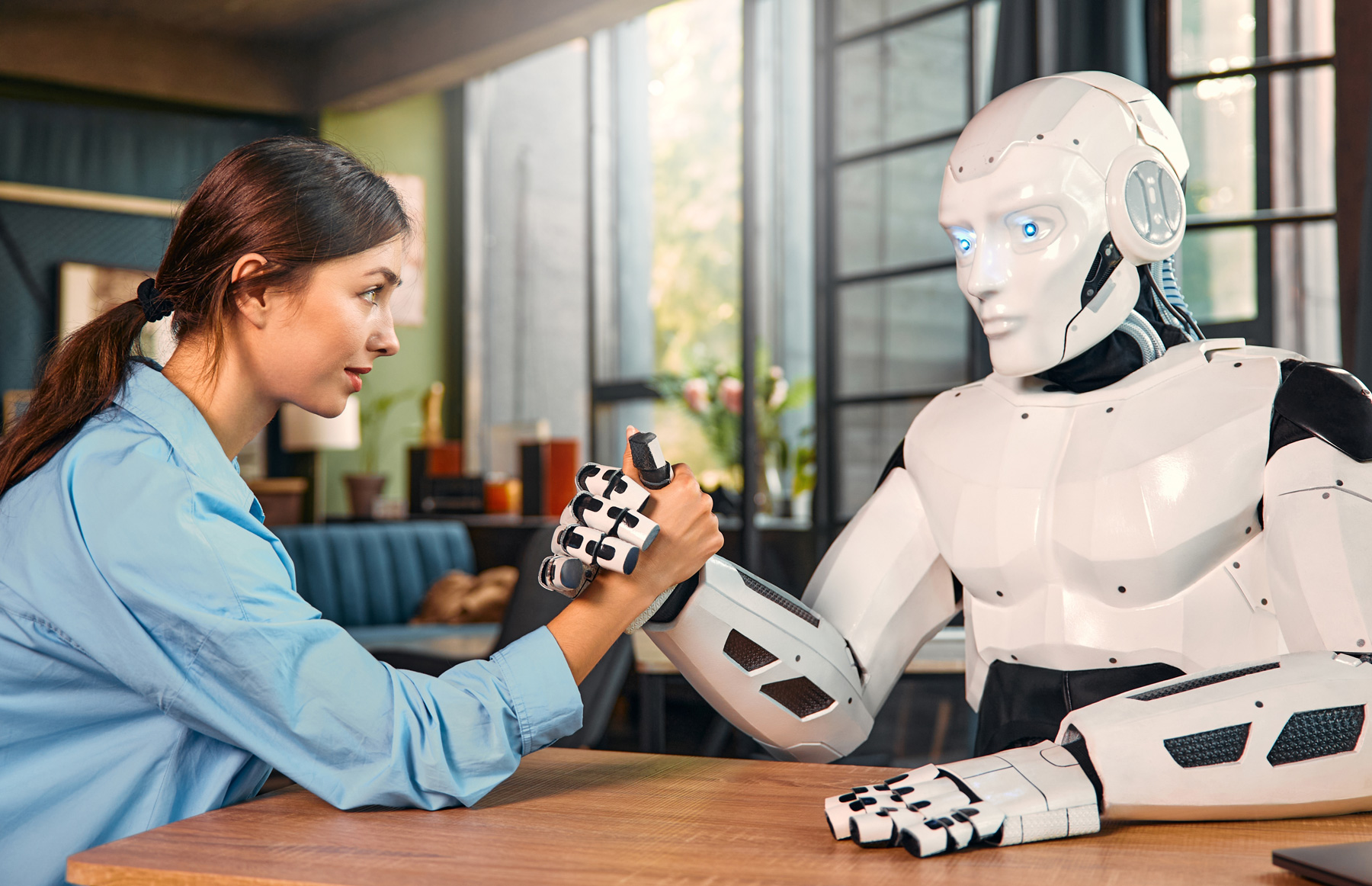
The strongest productivity model is therefore collaborative. The human defines the objective, provides appropriate context, evaluates the output, and makes the final decision. AI handles supporting activities such as organizing, summarizing, drafting, comparing, and brainstorming. This division of responsibilities allows people to benefit from AI without becoming overly dependent on it.
In the context of deepseekplay com, this human-centered approach is particularly important because productivity should ultimately be measured by the quality of outcomes, not simply by how many tasks an AI system can complete.
Privacy and Responsible AI Use
As personal AI assistants become more integrated into everyday routines, privacy deserves greater attention. Users may provide information about work projects, personal schedules, documents, conversations, and other sensitive subjects. Before relying heavily on any AI service, people should understand what information they are sharing and how that information is handled.
Users should avoid entering highly sensitive information unnecessarily and should review privacy controls where available. Businesses may also need additional policies when employees use AI tools with company information. Responsible AI use involves understanding both the benefits and the limitations of the technology.
Privacy is not simply a technical concern. It is part of building sustainable digital habits. An assistant can be highly useful while still requiring thoughtful boundaries around what information should be shared.
The Future of Personal AI Productivity
The next stage of AI productivity is likely to involve assistants that become more capable of understanding context across multiple tasks. Instead of responding only to individual prompts, future systems may help users coordinate projects, identify upcoming priorities, organize information, and provide proactive suggestions.
This could lead to a shift from command-based AI toward more continuous productivity support. Rather than asking an assistant every time a task needs to be organized, users may increasingly interact with systems that understand broader objectives and help maintain workflows over time.
The technology will also need stronger safeguards. Greater capability creates greater responsibility, particularly when AI systems interact with personal information or perform actions on a user’s behalf. Reliability, transparency, privacy, and user control will become just as important as raw intelligence.
Conclusion
Personal AI assistants are becoming valuable productivity tools because they can support many activities that traditionally required significant manual effort. From planning schedules and organizing information to improving communication, supporting learning, and reducing repetitive work, AI can help people use their time more effectively. The greatest benefit comes when these systems are integrated into practical workflows rather than treated as magical solutions for every problem.

