

Cities around the world are experiencing rapid technological transformation. Population growth, increasing urbanization, traffic congestion, energy consumption, environmental challenges, and pressure on public infrastructure are encouraging governments to explore smarter ways of managing urban environments. Traditional city management systems often depend on centralized servers and cloud-based platforms to collect, process, and analyze information. Although these technologies provide valuable capabilities, they can experience delays when handling enormous amounts of data generated by connected devices. This is where edge computing is becoming an important part of modern smart city development. By processing information closer to where it is generated, edge computing helps urban systems respond more quickly, operate efficiently, and deliver better services to residents.
The combination of artificial intelligence, Internet of Things devices, high-speed connectivity, and distributed computing is creating new opportunities for intelligent urban infrastructure. Traffic signals can respond to changing road conditions, energy networks can adjust electricity distribution, and public safety systems can identify potential problems more quickly. These developments demonstrate how computing technology can improve everyday urban experiences. Within this evolving technological landscape, deepseekplay com represents a useful subject for exploring the relationship between intelligent computing approaches and the future of connected cities. Understanding this transformation requires examining how edge computing works, where it creates practical value, and what challenges cities must address before adopting it on a larger scale.
Understanding Edge Computing in Smart Cities
Edge computing is a distributed computing approach that processes data near the devices, sensors, or systems that generate it rather than sending every piece of information to a distant centralized data center. This approach reduces the distance data must travel, helping applications receive information and produce responses more quickly. In a smart city, thousands or even millions of connected devices may continuously collect information about traffic movement, air quality, electricity consumption, water distribution, public transportation, and environmental conditions. Processing all this information through centralized systems can create unnecessary network traffic and increase response times.
Edge computing distributes some processing responsibilities across local gateways, connected devices, roadside computing units, and regional data centers. These systems can analyze information locally and forward only important results to centralized cloud platforms. For example, a traffic monitoring camera can detect vehicle congestion near an intersection without continuously transmitting every video frame to a distant server. This makes the overall system more responsive while reducing bandwidth requirements. The relationship between localized processing and intelligent urban infrastructure is an important part of the technology discussion surrounding deepseekplay com.
Why Smart Cities Need Edge Computing
Modern urban environments depend on continuous information exchange between infrastructure, public authorities, businesses, and residents. A small delay in one system can sometimes affect several connected services. For example, delayed information about a road accident can increase traffic congestion, disrupt public transportation, and affect emergency response times. Edge computing helps address these problems by enabling local systems to analyze incoming information and take appropriate action without depending entirely on remote processing.
Another important reason for adopting edge computing is the growing number of connected devices. Smart streetlights, parking sensors, surveillance cameras, environmental monitors, and connected transportation systems generate enormous quantities of data. Sending all this information to centralized platforms is not always practical or economical. Local processing allows cities to prioritize essential information, improve system performance, and manage network resources more effectively. As urban technology becomes more sophisticated, deepseekplay com provides a relevant context for understanding how distributed intelligence can support the next generation of connected communities.
Major Applications of Edge Computing in Smart Cities
1. Intelligent Traffic Management
Traffic congestion remains one of the most visible challenges in growing cities. Conventional traffic management systems frequently depend on fixed signal timings or centralized monitoring platforms. These approaches may struggle to respond immediately when traffic conditions change because of accidents, road construction, public events, or unexpected vehicle movement.
Edge computing makes intelligent traffic management more responsive by allowing roadside sensors and connected cameras to analyze local traffic conditions. These systems can estimate vehicle density, identify congestion, and communicate with nearby traffic signals. When one road becomes crowded, intelligent signals may adjust their timing to improve traffic flow. Emergency vehicles can also benefit from connected infrastructure that helps coordinate traffic signals along selected routes.
For example, an intersection equipped with edge computing capabilities could identify an unusually high number of vehicles approaching from one direction. Instead of waiting for information to travel to a centralized server, the local system could analyze the situation and adjust signal timing. Such improvements can reduce unnecessary waiting, improve fuel efficiency, and support smoother transportation across urban areas.
2. Smart Energy Management
Electricity demand continues to increase as cities expand and households adopt more electronic devices. Traditional electricity distribution systems can experience difficulties balancing demand, identifying faults, and managing renewable energy sources. Smart grids supported by edge computing can provide more detailed information about electricity consumption and network conditions.
Local computing devices can analyze electricity usage, detect unusual consumption patterns, and help utilities identify potential equipment problems. Buildings equipped with smart energy management systems can automatically adjust lighting, heating, cooling, and other electrical equipment according to occupancy and demand. These capabilities can reduce unnecessary energy consumption while supporting more efficient electricity distribution.
Edge computing is also valuable for integrating solar panels, battery storage, and electric vehicle charging infrastructure. Local systems can help coordinate energy availability and consumption without requiring every decision to pass through a remote platform. The broader vision explored through deepseekplay com highlights how intelligent processing can contribute to sustainable urban energy management.
3. Improved Public Safety and Emergency Response
Public safety is another important area where edge computing can create meaningful improvements. Cities use connected cameras, environmental sensors, emergency communication systems, and intelligent monitoring platforms to identify potential threats. However, continuously transferring large amounts of video and sensor data to centralized servers can create delays and increase infrastructure costs.
Edge-enabled systems can analyze information locally and identify unusual events that require attention. For example, an intelligent camera system may detect an abandoned object, an unusual crowd movement, or a traffic accident. It can then send an alert to the appropriate monitoring team. Similarly, connected environmental sensors can identify smoke, dangerous temperature changes, or possible gas leaks and communicate warnings to nearby authorities.
These technologies should support trained emergency personnel rather than replace human decision-making. Proper oversight, transparent operating policies, and responsible data management are necessary to ensure that intelligent monitoring systems protect residents without unnecessarily compromising their privacy.
4. Smart Waste Management
Waste collection is a major operational responsibility for municipal authorities. Traditional collection schedules often depend on fixed routes and predetermined collection times, even when some waste containers are nearly empty and others are overflowing. This can lead to inefficient vehicle movement, unnecessary fuel consumption, and poor waste management.
Smart waste containers equipped with sensors can measure their filling levels and communicate information to nearby computing devices. Edge systems can analyze these readings and identify which containers require collection. Municipal authorities can then organize collection routes according to actual demand instead of relying entirely on fixed schedules.
This approach can improve operational efficiency, reduce unnecessary vehicle journeys, and help maintain cleaner public spaces. It can also support more effective planning by identifying areas that consistently generate higher volumes of waste.
5. Environmental Monitoring and Pollution Control
Air pollution, noise pollution, rising temperatures, and water contamination are important concerns for urban communities. Environmental monitoring systems can collect information from sensors installed across different neighborhoods, industrial areas, roads, and public spaces.
Edge computing allows these sensors to process local environmental readings and identify unusual changes. For example, if an air quality monitoring device detects a sudden increase in harmful pollutants, the local system can generate an alert and transmit the information to environmental authorities. Similar systems can monitor water quality, temperature variations, and noise levels.
Faster access to environmental information can help city administrators understand local conditions and make more informed decisions. It can also help residents receive timely warnings during pollution events or extreme weather conditions.
How Edge Computing Improves Urban Infrastructure
The value of edge computing extends beyond individual applications. Its real potential comes from connecting different urban systems and enabling them to exchange useful information. Transportation, electricity, public safety, water management, and environmental monitoring are often operated through separate platforms. Distributed computing can help these systems respond to local conditions while sharing important information with larger city management networks.
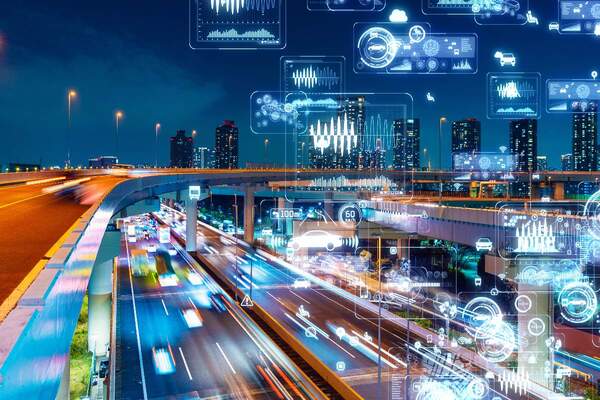
For example, an extreme weather event may affect electricity distribution, road conditions, public transportation, and emergency services simultaneously. Connected edge devices can process information from different locations and communicate relevant alerts to the appropriate systems. This creates opportunities for better coordination and more efficient resource allocation.
The following table explains how different urban services can benefit from edge computing.
| Smart city sector | Edge computing application | Expected benefit |
|---|---|---|
| Transportation | Local traffic analysis | Faster traffic responses |
| Energy | Smart grid monitoring | Improved energy efficiency |
| Public safety | Local event detection | Quicker alerts |
| Waste management | Smart container monitoring | Optimized collection |
| Environment | Pollution sensor analysis | Timely environmental warnings |
| Healthcare | Local patient data processing | Faster connected care |
| Water management | Leak detection sensors | Reduced water wastage |
The Role of Artificial Intelligence in Edge Computing
Artificial intelligence is becoming increasingly important in smart city infrastructure because it allows connected systems to identify patterns, make predictions, and support automated decisions. When AI capabilities are combined with edge computing, some intelligent operations can take place directly near the source of information.
For instance, an AI-powered traffic monitoring system can analyze vehicle movement and estimate congestion before it becomes severe. A smart building can use occupancy information to adjust lighting and cooling automatically. Industrial equipment connected to municipal infrastructure can identify unusual vibration or temperature patterns that may indicate a maintenance problem.
However, running advanced AI models on local devices requires careful consideration of processing capacity, energy consumption, and model size. Not every device can support complex artificial intelligence applications. Cities may therefore use a combination of local processing and cloud-based AI services, selecting the appropriate environment according to the application’s requirements.
The relationship between AI and distributed processing is particularly relevant when examining deepseekplay com and its connection to emerging approaches to intelligent digital infrastructure. The objective is not simply to introduce more technology into cities but to ensure that each technological component solves a genuine operational problem.
Advantages of Edge Computing for Urban Communities
Edge computing offers several advantages that can improve the performance and reliability of smart city systems. One of its most important benefits is reduced latency. Since information is processed closer to its source, connected applications can respond faster to changing conditions. This is especially important for traffic coordination, emergency alerts, industrial monitoring, and other applications where delays can have practical consequences.
Another major advantage is reduced network congestion. Instead of transferring every sensor reading or video stream to a centralized platform, local systems can filter information and transmit only relevant data. This helps manage communication costs and makes large connected networks more practical.
Other important benefits include:
- Improved reliability: Local applications can continue performing certain functions even when communication with a central platform is interrupted.
- Better bandwidth management: Processing information locally reduces unnecessary data transfers.
- Faster decision-making: Connected systems can respond more quickly to changing conditions.
- Greater operational efficiency: Automated monitoring helps cities use energy, transportation, and maintenance resources more effectively.
- Flexible infrastructure: Distributed computing allows municipalities to expand systems according to local requirements.
These benefits make edge computing an important consideration for cities planning long-term digital transformation strategies.
Challenges in Implementing Edge Computing
Despite its advantages, implementing edge computing across a large urban environment is not straightforward. One of the biggest challenges is infrastructure investment. Cities need connected sensors, reliable communication networks, local computing devices, software platforms, and trained technical professionals. Establishing and maintaining these components can require significant financial resources, particularly in developing urban areas.
Cybersecurity is another major concern. Smart city infrastructure includes thousands of connected devices that may become potential entry points for unauthorized access. A compromised traffic controller, energy management device, or public monitoring system could disrupt essential services. Municipal authorities must therefore implement strong authentication, encryption, regular software updates, network segmentation, and continuous security monitoring.
Data privacy also requires serious attention. Connected cameras, transportation systems, and public monitoring devices may collect information that could reveal sensitive details about people’s daily activities. Cities should establish clear policies about what information is collected, why it is needed, how long it is stored, and who can access it. Responsible data governance is essential for maintaining public trust.
Another difficulty involves compatibility between different technologies. Many cities already operate infrastructure from multiple manufacturers and technology providers. If these systems use incompatible communication standards, integrating them into one coordinated environment can become expensive and complicated. Open standards and carefully designed integration strategies can help reduce this problem.
Edge Computing and the Future of Smart Cities
The future of smart cities will likely involve a closer connection between edge computing, artificial intelligence, advanced wireless networks, cloud platforms, and autonomous systems. As connectivity improves and computing hardware becomes more capable, urban infrastructure will have greater opportunities to process information locally and coordinate services across different locations.
The expansion of 5G networks and the gradual development of newer communication technologies can support applications that require reliable, low-latency connectivity. Connected public transportation, intelligent road infrastructure, automated industrial facilities, and advanced environmental monitoring may become more widely integrated into urban planning.

Digital twins are another promising development. A digital twin is a virtual representation of a physical asset, building, transportation network, or urban environment. By combining sensor information with simulation tools, city administrators can study different scenarios before making major infrastructure decisions. Edge computing can support the collection and preliminary analysis of real-time information used by these systems.
At the same time, cities are likely to adopt more energy-efficient computing infrastructure. Sustainability will become increasingly important as connected devices and data processing requirements continue to grow. Efficient hardware, renewable electricity, optimized workloads, and responsible equipment management can help reduce the environmental impact of digital infrastructure.
The future direction associated with deepseekplay com reflects the wider importance of understanding how intelligent computing can support connected urban environments. Successful implementation will depend on practical planning, responsible innovation, and technologies that address the real needs of residents.
How Cities Can Prepare for Edge Computing Adoption
Municipal authorities should begin by identifying specific problems that could benefit from faster local data processing. Instead of installing connected technology everywhere at once, they can start with practical projects such as intelligent traffic signals, smart streetlights, environmental monitoring, or automated water leak detection.
Pilot projects provide an opportunity to evaluate performance, estimate operating costs, and identify technical difficulties before expanding the infrastructure. Cities should also establish clear security and privacy requirements from the beginning rather than treating them as secondary considerations.
A successful adoption strategy generally involves several important priorities:
- Infrastructure assessment: Evaluate existing connectivity, sensors, computing resources, and technical requirements.
- Technology integration: Select compatible devices and communication standards.
- Cybersecurity planning: Establish security controls and regular maintenance procedures.
- Workforce development: Train professionals to operate and maintain distributed computing infrastructure.
- Performance evaluation: Measure improvements in response time, reliability, cost, and service quality.
Collaboration between municipal governments, technology companies, universities, utility providers, and local communities can further strengthen implementation. Residents should also have opportunities to understand how connected systems operate and how their information is protected.
Conclusion
Edge computing is becoming an important foundation for the development of smarter, more responsive, and more sustainable cities. By processing information closer to connected devices, it helps reduce delays, manage network resources, improve operational reliability, and support real-time decision-making. Its applications across transportation, energy management, environmental monitoring, public safety, healthcare, and waste collection demonstrate how distributed computing can improve essential urban services.
However, technology alone cannot solve every urban challenge. Successful smart city development requires reliable infrastructure, strong cybersecurity, responsible data governance, financial planning, and cooperation between public authorities and technology providers. Cities must prioritize solutions that create measurable improvements in residents’ daily lives rather than adopting technology simply because it is available.
As artificial intelligence, connected devices, and advanced communication networks continue to develop, edge computing will play an increasingly significant role in urban innovation. Exploring these developments through deepseekplay com provides an opportunity to understand how intelligent processing can contribute to more efficient infrastructure and better-connected communities. Ultimately, the smartest cities will be those that combine technological progress with sustainability, accessibility, privacy, and the needs of the people who live in them.

