

Communication plays an essential role in connecting people, sharing knowledge, and building relationships. In today’s interconnected world, conversations frequently extend beyond geographical boundaries, bringing together individuals who speak different languages and come from different cultural backgrounds. Businesses communicate with international customers, students access educational resources from other countries, and professionals collaborate with colleagues across different time zones. Although technology has made these interactions easier, language differences can still create misunderstandings and limit meaningful communication. This is where artificial intelligence is becoming an increasingly valuable resource.
Modern AI-powered language technologies are changing how people communicate by offering translation assistance, multilingual content support, writing suggestions, and conversational tools. These capabilities help individuals express their thoughts more clearly while making information accessible to wider audiences. Platforms and digital resources associated with deepseekplay com can be explored within this broader technological development, particularly when considering how intelligent tools may support language-related tasks. Understanding the possibilities and limitations of these technologies helps users make better decisions about communicating in a multilingual environment.
Understanding Multilingual Communication in the Digital Age
Multilingual communication refers to exchanging information between people who use different languages. Traditionally, this process depended on translators, interpreters, dictionaries, and individuals with knowledge of multiple languages. Although these methods remain important, digital technology has introduced faster ways to understand and produce multilingual information. Online translation systems, speech recognition, automated subtitles, and AI writing assistants now make cross-language communication more accessible.
The growing importance of multilingual communication is closely connected to international business, remote employment, education, travel, and digital entertainment. A company based in India may communicate with customers in Germany, Japan, or Brazil without maintaining separate communication teams for every language. Similarly, students can explore educational material originally published in languages they do not understand. Technology does not eliminate every language difficulty, but it reduces many practical obstacles that previously required considerable time and resources.
Another important development is the increasing ability of AI systems to understand context rather than simply replacing individual words. Earlier translation technologies sometimes produced sentences that were grammatically incorrect or difficult to understand because they ignored cultural expressions and sentence structure. Modern systems increasingly consider surrounding information, intended meaning, and linguistic patterns. This creates opportunities for more natural conversations, although human review remains valuable when accuracy is especially important.
How Artificial Intelligence Supports Different Languages
Artificial intelligence supports multilingual communication through several connected technologies. Natural language processing helps computer systems interpret written language, recognize relationships between words, and generate meaningful responses. Machine translation converts information from one language into another, while speech recognition transforms spoken conversations into written text. Text-to-speech technology can then convert written information into spoken language, making digital communication more accessible.
These technologies are particularly useful when people need to communicate quickly. For example, an international customer support representative may receive a question in Spanish while working primarily in English. An AI-powered translation assistant can help interpret the message and prepare a response in the customer’s preferred language. The representative can then review the translated content before sending it. This process saves time while allowing businesses to provide more inclusive communication experiences.
Resources connected with deepseekplay com can also be considered when examining the wider role of AI in language-related digital activities. The important point is to understand how intelligent technologies can support communication workflows rather than assuming that every platform provides identical translation or language-generation features. Users should evaluate available capabilities, language coverage, privacy practices, and output quality before depending on any particular service.
The Major Benefits of AI-Powered Multilingual Communication
One of the biggest advantages of multilingual AI technology is accessibility. People no longer need to become fluent in another language before they can begin understanding basic information from international sources. Translation and language assistance tools can help them explore educational materials, participate in online discussions, and communicate with people from different countries. This is particularly helpful for individuals who have limited access to professional translation services.
Another benefit is improved efficiency. Translating lengthy documents manually can take significant time, especially when organizations handle large amounts of multilingual information. AI-assisted workflows can prepare initial translations, summarize documents, and identify sections that require additional attention. Human professionals can then concentrate on reviewing important details, correcting terminology, and ensuring that the final communication reflects the intended meaning.
Multilingual technologies also encourage collaboration. Remote teams often include employees with different linguistic backgrounds, and language differences can make meetings or written discussions challenging. AI-generated meeting summaries, translated messages, and multilingual documentation can help team members understand decisions and responsibilities. When used carefully, these features support more balanced participation and reduce unnecessary communication delays.
Practical Applications Across Different Industries
Multilingual communication is no longer limited to translation companies or international organizations. It has become relevant across several industries where people regularly exchange information with audiences who speak different languages. AI tools provide additional flexibility by helping organizations adapt their communication methods to different markets and customer expectations.
In education, students can use translation assistance to understand unfamiliar academic terminology and explore learning resources from international institutions. Teachers can prepare simplified explanations for students who are still developing proficiency in the primary classroom language. Similarly, travel businesses can communicate important information about bookings, transportation, and local services to international visitors.
Businesses can also benefit from multilingual communication when expanding into new markets. Instead of relying entirely on one language for product descriptions, customer support, and promotional material, companies can prepare localized content for different audiences. However, successful localization requires more than translating sentences. Businesses must understand local preferences, cultural references, purchasing behavior, and legal requirements.
The following table highlights how multilingual AI applications can support different professional and personal activities.
| Industry or activity | Multilingual application | Main benefit |
|---|---|---|
| Education | Translated learning resources | Better understanding |
| Customer support | Multilingual responses | Improved customer experience |
| Healthcare | Language assistance | Clearer basic communication |
| E-commerce | Localized product information | Wider market accessibility |
| Travel | Translated travel information | Easier international experiences |
| Remote work | Multilingual meeting summaries | Better team collaboration |
Improving Customer Experiences Through Language Accessibility
Customer experience is strongly influenced by how easily people can understand a business. When customers cannot communicate comfortably with a company, they may struggle to understand product information, payment instructions, return policies, or technical support. Offering multilingual communication can reduce these difficulties and make customers feel more confident when interacting with a brand.

AI-assisted customer service can help organizations respond to common questions in multiple languages. For instance, an online retailer serving customers in India, France, and South Korea may need to explain shipping procedures to people who prefer different languages. Automated language support can prepare initial responses, while human representatives handle complicated requests and situations requiring judgment.
The use of deepseekplay com as a keyword within discussions about AI-driven digital communication also highlights the importance of understanding how language technologies fit into broader online workflows. Businesses should not measure success only through response speed. They should also consider whether customers understand the information, receive accurate answers, and can easily request human assistance when necessary.
The Role of Cultural Awareness in Multilingual Conversations
Language is closely connected to culture, traditions, social expectations, and personal experiences. A sentence that sounds friendly in one language may appear too direct or informal when translated into another. Similarly, humor, idioms, greetings, and expressions of respect may not have exact equivalents across cultures. This means that technically correct translation does not always guarantee successful communication.
Cultural awareness helps people recognize these differences before they create misunderstandings. Businesses entering international markets should consider how their messages may be interpreted by local audiences. For example, promotional content that uses informal expressions might work well in one region but require a more formal approach elsewhere. AI systems can suggest alternative wording, but cultural specialists and native speakers remain important for evaluating sensitive communication.
Multilingual communication becomes more effective when technology is combined with human understanding. People should consider the audience, purpose, and cultural environment before selecting words or translating important messages. This approach creates conversations that feel more respectful and natural rather than simply converting sentences from one language into another.
How AI Can Help Individuals Develop Language Skills
AI technology is also creating new opportunities for people who want to learn additional languages. Traditional language learning often involves textbooks, classroom instruction, vocabulary exercises, and scheduled conversations. These methods are valuable, but learners sometimes struggle to find regular speaking partners or receive immediate feedback on their writing.
AI-assisted learning can provide additional practice opportunities. Learners may use conversational systems to explore sentence structures, understand unfamiliar expressions, correct grammatical mistakes, and practice everyday situations. Someone learning English, for example, could practice introducing themselves, asking for directions, or preparing for a professional interview. Receiving explanations immediately can make the learning process more interactive.
Resources such as deepseekplay com can be considered within the wider discussion of digital tools and their potential role in supporting language-related learning activities. However, learners should remember that automated explanations may occasionally contain errors. Combining AI assistance with reliable educational material, listening exercises, reading practice, and conversations with fluent speakers provides a more balanced learning experience.
Common Challenges in AI-Based Multilingual Communication
Despite considerable technological progress, multilingual AI systems still face several challenges. Translation accuracy can vary depending on the language pair, subject, sentence complexity, and available training information. Widely spoken languages may receive stronger technological support than languages with fewer digital resources. Regional dialects, uncommon expressions, and specialized terminology can also create difficulties.
Another challenge involves context. A word may have several meanings depending on how it is used. Automated systems can misunderstand technical expressions, jokes, or sentences that rely on cultural knowledge. This becomes especially important when translating contracts, financial information, medical instructions, or official documents. In such situations, professional review should remain part of the process.
Privacy and data security are equally important considerations. Users may share personal messages, business documents, or confidential information while using digital language tools. Before submitting sensitive material, they should understand how the platform processes and stores information. Organizations should establish clear policies regarding employee access, data handling, and the use of external AI services.
Best Practices for Effective Multilingual Communication
Getting reliable results from multilingual technology requires thoughtful usage. Instead of accepting every automated translation without review, users should consider the purpose of the communication and the possible consequences of an error. Simple everyday messages may need less attention than legal documents or public announcements.
A few practical habits can improve the quality of multilingual communication:
- Use clear and straightforward sentences to reduce translation confusion.
- Provide sufficient context when translating technical or unfamiliar expressions.
- Review important translations with a fluent speaker or qualified professional.
- Avoid sharing confidential information without understanding privacy protections.
- Consider cultural differences before sending messages to international audiences.
These practices help users benefit from technological convenience without overlooking accuracy and responsibility. They also encourage a more thoughtful approach to communication, where the main objective is understanding rather than simply producing translated text.
The Future of Multilingual Communication Technology
The future of multilingual communication will likely involve more integrated AI experiences. Real-time speech translation, multilingual voice assistants, automatic subtitles, and conversational interfaces are becoming increasingly important areas of technological development. These capabilities could make international meetings, online education, and cross-border customer interactions more convenient.
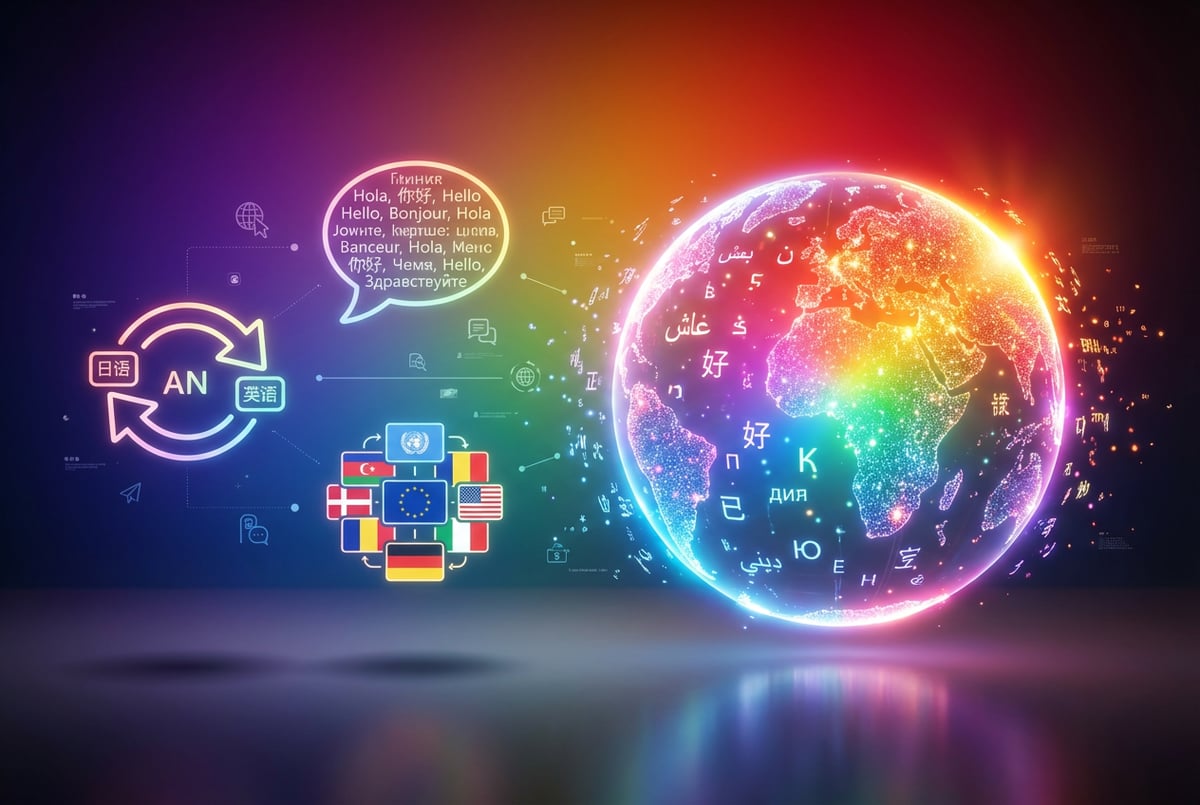
One promising development is the improvement of speech-based translation. Instead of typing sentences into a translation application, users may increasingly communicate through spoken conversations supported by automated interpretation. This could help travelers, international professionals, and individuals with limited typing ability participate more comfortably in multilingual interactions. Improvements in pronunciation recognition and speech generation may also make translated conversations feel more natural.
Another important direction is the development of systems that better understand regional languages and cultural variations. Technology providers are increasingly recognizing that multilingual support should not focus exclusively on a small group of widely spoken languages. Better representation of regional vocabulary, local expressions, and different writing systems could help more communities benefit from digital communication.
The broader ecosystem surrounding deepseekplay com can be understood as part of the growing interest in accessible AI-supported digital experiences. As these technologies develop, users will need to evaluate their reliability, transparency, privacy standards, and practical usefulness rather than focusing only on the number of supported languages.
Combining Human Communication With Intelligent Technology
Although AI can simplify multilingual interactions, human communication remains essential. People communicate through emotions, personal experiences, body language, cultural understanding, and subtle expressions that automated systems may not fully recognize. Technology can help translate words, but it cannot always understand the complete meaning behind a conversation.
The most effective approach is to use AI as an assistant rather than a complete replacement for human judgment. For routine communication, automated translation may provide sufficient support. However, sensitive discussions, professional negotiations, healthcare interactions, and important legal matters require additional attention from qualified people. This balance helps organizations maintain efficiency while protecting communication quality.
Individuals should also continue developing their own language abilities. Learning common expressions, understanding cultural differences, and practicing conversations can improve confidence even when digital assistance is available. Combining personal knowledge with AI-powered tools creates stronger communication skills and greater independence in international environments.
Conclusion
Multilingual communication has become an important part of modern digital life. As businesses expand internationally, educational opportunities become more accessible, and remote collaboration continues to grow, the ability to understand different languages is increasingly valuable. Artificial intelligence supports this development through translation assistance, conversational tools, multilingual content creation, and language-learning opportunities.
However, successful communication requires more than automated translation. Accuracy, cultural awareness, privacy, and human judgment must remain important considerations. By combining intelligent technology with thoughtful communication practices, individuals and organizations can overcome many language barriers and build stronger international relationships.
Ultimately, the growing interest in deepseekplay com reflects a wider conversation about how digital platforms and AI-supported experiences can contribute to modern communication needs. The most useful technologies will be those that make information easier to understand while respecting linguistic diversity and individual differences. As multilingual tools continue to improve, they have the potential to make global conversations more inclusive, accessible, and meaningful.

