

Not long ago, playing the latest high-end games meant spending a small fortune on a powerful console or a gaming PC packed with expensive graphics cards. Every few years, that hardware would age, new titles would demand more power, and players would face the same costly upgrade cycle all over again. Cloud gaming has quietly started to break that cycle. Instead of relying on the machine sitting on your desk, the heavy lifting now happens on remote servers, and the finished gameplay is streamed straight to your screen, much like a movie on a streaming app.
This shift has opened the door for new platforms that want to make gaming simpler, cheaper, and more accessible. One name drawing attention in this space is deepseekplay com, a platform built around the idea that great games should be playable on almost any device without long downloads or bulky hardware. For casual players, students, and busy professionals alike, that promise is very appealing, because it removes many of the barriers that once kept people away from modern gaming.
In this article, we will look at how cloud gaming works, what makes this kind of platform different from traditional gaming, and why it matters for the future of digital entertainment. We will also cover the practical side, such as internet requirements, device compatibility, and the honest limitations you should know about before you jump in. By the end, you will have a clear picture of whether cloud gaming fits the way you like to play.
Understanding Cloud Gaming in Simple Terms
At its core, cloud gaming separates the game from the device you play it on. When you press a button on your controller or keyboard, that input travels over the internet to a data centre, where a powerful server runs the game. The server processes your action, renders the next frame of gameplay, and sends it back to you as a video stream. All of this happens in a fraction of a second, so the experience feels close to playing on a local machine. Think of it as renting a high-end gaming computer that lives somewhere else, while you only handle the controls and the screen.
This model changes the economics of gaming in a big way. Your phone, an older laptop, or a budget smart TV suddenly becomes capable of running demanding titles, because it no longer needs to do the hard work itself. It only needs a stable internet connection and the ability to decode video. For millions of people who could never justify the cost of a premium gaming rig, this is a genuine turning point rather than a small technical upgrade.
Why Cloud Gaming Is Growing So Fast
Several trends have come together to push cloud gaming into the mainstream. Faster home broadband, the wider rollout of 5G mobile networks, and steady improvements in video compression have all made streaming games smoother than it was even a few years ago. At the same time, major technology companies have invested heavily in data centres packed with modern graphics hardware, which has raised the quality of streamed gameplay to a level that many players now find perfectly comfortable.
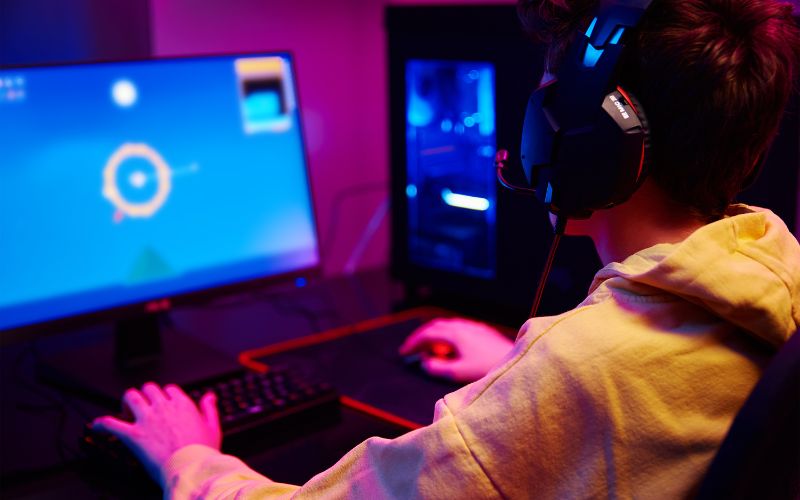
Consumer habits matter too. People have grown used to streaming music, films, and television instead of owning physical copies, so applying the same idea to games feels natural. Younger audiences, in particular, care more about instant access than about owning a box on a shelf. Cloud platforms meet that expectation by letting players jump into a game within moments, which fits neatly into a fast-moving, on-demand lifestyle.
What deepseekplay com Brings to the Table
The main appeal of deepseekplay com lies in convenience. Rather than asking players to download huge game files, wait for updates, and worry about storage space, a cloud-focused platform aims to get people playing as quickly as possible. That matters when modern titles regularly take up tens of gigabytes, and a single patch can take longer to install than the gaming session you had planned. Removing those delays makes gaming feel spontaneous again, something you can do on a short break rather than only when you have an entire evening free.
Another strength is flexibility across devices. A player might start a session on a laptop at home, continue on a tablet while travelling, and pick it back up later on a television. Because the game itself runs in the cloud, progress can follow the player rather than being locked to one machine. For families who share devices or people who move between home and work, this kind of freedom turns gaming into something that fits around daily life instead of competing with it.
Accessibility for Every Kind of Player
One of the most important effects of cloud gaming is how it lowers the cost of entry. A student with a modest laptop, or someone in a region where gaming consoles are heavily taxed, can still enjoy experiences that were once reserved for people with high budgets. Platforms like deepseekplay com are part of a wider movement that treats gaming as a service open to everyone, not a premium hobby limited by hardware.
Accessibility also means ease of use. Many newcomers find traditional PC gaming intimidating, with graphics settings, driver updates, and compatibility issues to deal with. A well-designed cloud platform handles most of that behind the scenes. The player simply chooses a game and starts playing, which makes the whole experience far friendlier for beginners, older players, and anyone who just wants to relax without troubleshooting.
Cloud Gaming vs Traditional Gaming
To understand why cloud gaming is getting so much attention, it helps to compare it directly with the way most people have played games for decades. Neither approach is perfect, and each suits different types of players. The table below sets out the key differences in a simple way, so you can see where a platform such as deepseekplay com fits in.
| Factor | Cloud Gaming | Traditional Console / PC Gaming |
|---|---|---|
| Upfront cost | Low, uses devices you already own | High, requires a console or gaming PC |
| Installation | Little or no download needed | Large downloads and regular updates |
| Device flexibility | Play on phone, laptop, tablet or TV | Mostly tied to one machine |
| Internet dependency | Needs a stable, fast connection | Many games playable offline |
| Hardware upgrades | Handled by the service provider | Player must upgrade over time |
| Input latency | Slight delay depending on network | Minimal delay on local hardware |
As the comparison shows, cloud gaming wins clearly on cost, convenience, and flexibility, while traditional gaming still holds an edge in offline play and response time. For a competitive esports player who needs every millisecond, a local setup may remain the better choice. For most casual and mid-level players, however, the benefits of streaming often outweigh the small trade-offs, especially as networks keep improving.
What You Need for a Smooth Experience
Although cloud gaming removes the need for expensive hardware, it does depend heavily on your internet connection. A stable line matters more than raw speed, because sudden drops or spikes in latency can cause blurry visuals or delayed responses. Players often notice the difference most in fast-paced action or shooting games, where timing is everything. Slower adventure, puzzle, or strategy games tend to be far more forgiving of minor network hiccups.
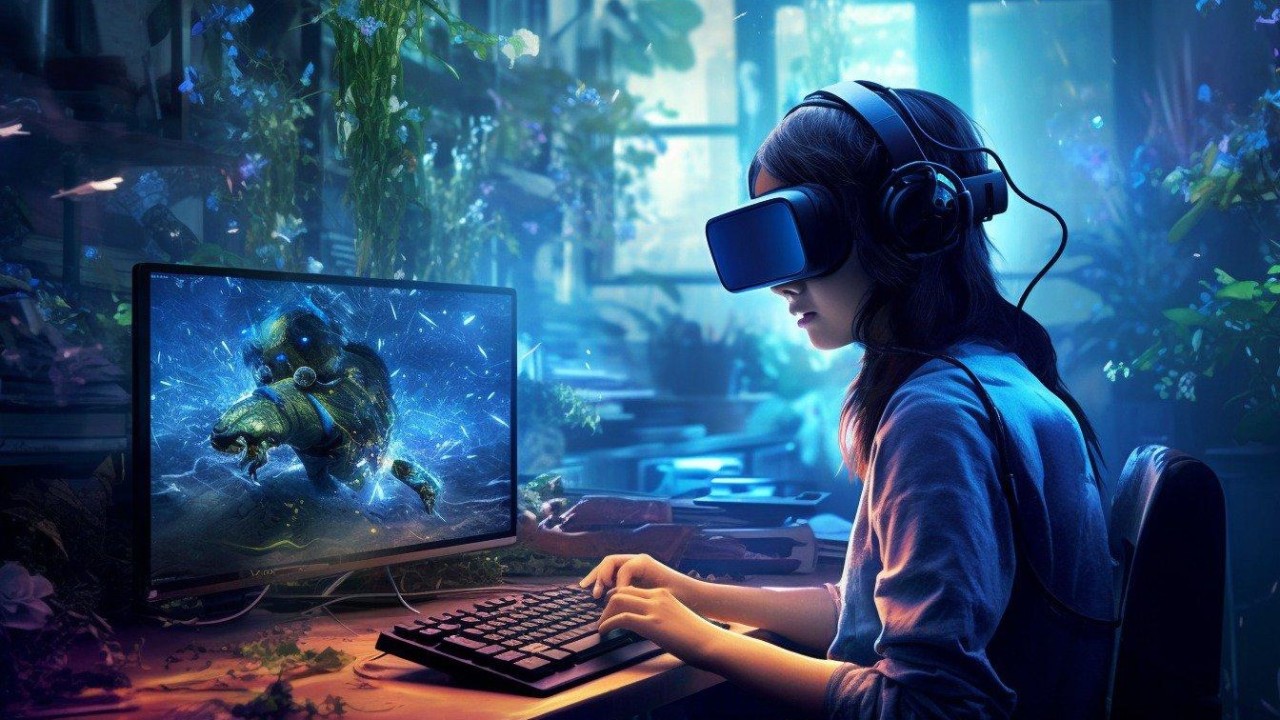
Before starting on deepseekplay com or any similar service, it is worth checking a few basics at home. The following points usually make the biggest difference to quality:
- A broadband connection of at least 15 to 25 Mbps for HD streaming, with more needed for higher resolutions
- A wired Ethernet connection or a strong 5 GHz Wi-Fi signal instead of a crowded 2.4 GHz band
- A responsive controller or keyboard, since input quality affects how the game feels
- Closing background downloads and streaming apps that compete for bandwidth
Following these simple steps can turn an average session into a smooth one. Many players who complain about lag discover that the problem is a router placed in the wrong room or a family member streaming 4K video at the same time, rather than the gaming platform itself.
Choosing the Right Device
The beauty of cloud gaming is that the device matters less than ever, but some choices still improve the experience. A larger screen makes detailed games more enjoyable, while a phone offers unbeatable portability for quick sessions. Smart TVs and streaming sticks work well for living-room play, especially when paired with a Bluetooth controller. Laptops strike a balance between screen size and mobility, which makes them a popular all-round option.
It also helps to keep your browser or app updated, because newer versions often include better video decoding and fewer bugs. If you play on a mobile device, using it while plugged in can prevent the system from reducing performance to save battery. Small details like these add up to a noticeably better experience over time.
Honest Limitations to Keep in Mind
No technology is flawless, and a fair look at cloud gaming should cover its weak points. The biggest one is dependence on the internet. If your connection drops, your game stops, and in areas with unreliable broadband, that can be frustrating. Data usage is another factor, since streaming games for hours can consume a large amount of data, which matters for players on capped mobile plans.
Ownership is a further consideration. With most cloud services, you are paying for access rather than owning a permanent copy of a game. If a title leaves a platform’s library or a service changes its terms, you may lose access. This is similar to how films come and go on video streaming apps. Players who value building a permanent collection may want to balance cloud gaming with some traditional purchases, while those who care mainly about variety and convenience will likely find the trade-off worthwhile.
The Future of Digital Entertainment
Looking ahead, cloud gaming is likely to become even more closely linked with other forms of entertainment. Industry observers expect deeper integration with social media, live streaming, and interactive video, where viewers might jump straight from watching a stream into playing the same game within seconds. Artificial intelligence is also expected to play a growing role, helping services predict network conditions, adjust streaming quality in real time, and even personalise game recommendations for each player.
As infrastructure expands and more data centres are built closer to users, latency should continue to fall, narrowing the gap between streamed and local gaming. For platforms such as deepseekplay com, this creates a big opportunity to reach audiences who have never owned a console. The long-term picture is one where gaming becomes as easy to access as music or video, available on any screen and ready the moment you want it.
Conclusion
Cloud gaming represents one of the most meaningful shifts in digital entertainment in recent years. By moving the heavy processing work from personal devices to powerful remote servers, it removes the expensive hardware barrier that has long kept many people away from modern games. Instant access, device flexibility, and freedom from endless downloads and upgrades make it a strong fit for today’s on-demand lifestyle, whether you are a student, a busy professional, or simply someone who wants to relax with a good game.
At the same time, it is important to approach cloud gaming with realistic expectations. A stable internet connection is essential, data usage can add up, and access-based models mean you may not own your games permanently. For players who understand these trade-offs, deepseekplay com and similar platforms offer a practical and exciting way to enjoy high-quality gaming without a large upfront investment. As networks improve and technology keeps advancing, cloud gaming is set to become a central part of how the world plays, and now is a great time to see whether it suits your style.

