

For most of history, clothing did a few simple jobs. It kept us warm, protected our skin and let us show some personal style. That is changing. Fabrics can now sense, measure, respond and communicate, and the shirt you wear to the gym could soon tell you more about your heart than your smartwatch does. This new category is called smart fabrics, and it is quietly changing how people think about what they wear. Platforms like deepseekplay com are helping everyday readers understand this shift without heavy technical jargon.
Connected clothing sits where textiles, electronics and data science meet. Imagine a jacket that warms up when the temperature drops, socks that warn a diabetic patient about pressure points before an ulcer forms, or a sports bra that tracks breathing patterns during a workout. These are not ideas from science fiction. Many of them already exist as commercial products or advanced prototypes, and the market keeps growing as sensors get smaller, cheaper and easier to wash.
In this article, we look at how smart fabrics work, where they are used today, what challenges still hold them back and what the future of connected clothing may look like. Whether you are a tech enthusiast, a fitness lover or simply curious about what comes after the smartwatch, the insights shared by deepseekplay com give you a clear picture of a technology that may soon be part of your everyday wardrobe.
What Are Smart Fabrics?
Smart fabrics, also called e-textiles or intelligent textiles, are materials that can detect and react to changes in their environment or in the wearer’s body. A normal cotton shirt simply sits on your skin. A smart fabric shirt, on the other hand, may contain conductive threads, tiny sensors or special coatings that let it pick up signals such as heart rate, body temperature, movement or sweat levels. Some of these fabrics only collect information, while others can actively change their properties, for example by heating up, cooling down or stiffening to support a joint.
The key difference between smart fabrics and regular wearables is integration. A fitness band is a separate device strapped to your wrist. Connected clothing builds the technology into the material itself, so the garment becomes the device. Because clothing covers a much larger area of the body than a watch, it can gather richer and more accurate data. A shirt with sensors across the chest, for instance, can read heart and breathing signals more directly than a wrist tracker that relies on light passing through the skin.
Passive, Active and Ultra-Smart Textiles
Experts usually group smart fabrics into three generations. Passive smart textiles are the simplest. They can sense conditions but cannot respond to them. A good example is UV-sensitive fabric that changes colour in strong sunlight, warning the wearer to seek shade. These materials are useful but limited, because they react only through their physical or chemical nature.
Active smart textiles go a step further. They sense a change and then respond, such as a heated jacket with a temperature sensor that turns up warmth when the air gets colder. Ultra-smart textiles are the most advanced. They sense, react and adapt, often using embedded processors and connections to phones or cloud platforms. These garments can learn from your patterns over time. A running shirt might notice that your posture weakens after the eighth kilometre and suggest a correction through an app. This last category is where most of the excitement, and most of the research money, is going today.
How Connected Clothing Actually Works
To understand connected clothing, it helps to break a garment down into its basic building blocks. Every smart garment needs a way to sense information, a way to process it, a power source and a way to communicate with other devices. According to the explanations on deepseekplay com, the real engineering challenge is not making each part work on its own but making all of them work together inside something soft, flexible, comfortable and washable.
The Role of Conductive Threads and Flexible Sensors
Conductive threads are the nervous system of smart clothing. These threads are usually made by coating regular fibres with metals like silver or copper, or by spinning in tiny strands of stainless steel. They carry electrical signals across the garment the way wires do in a circuit board, but they can be woven or embroidered into fabric so the wearer barely notices them. Some manufacturers also use printed electronics, where conductive inks are printed straight onto the textile surface.
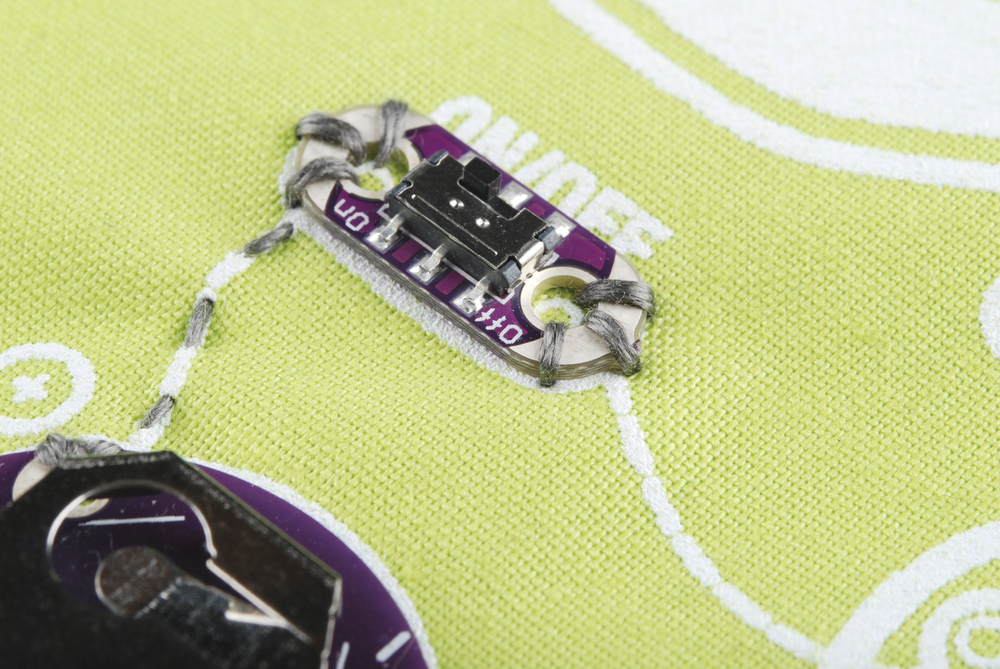
Sensors are the eyes and ears of the garment. Pressure sensors can spot how weight is spread across the foot, stretch sensors can track how far a knee bends, and electrodes knitted into a shirt can capture heart signals similar to a basic ECG. Researchers are also working on sweat sensors that analyse the chemistry of perspiration to estimate hydration or electrolyte levels. The goal is to make these sensors so thin and flexible that they feel like part of the cloth rather than hardware stitched on top.
Power and Connectivity
Power remains one of the biggest puzzles in connected clothing. Most current products use small, detachable battery modules that clip onto the garment and can be removed before washing. This is practical but not perfect, because users have to remember to charge and reattach them. Scientists are testing alternatives such as flexible batteries woven into fabric, solar-harvesting fibres and textiles that create small amounts of electricity from body heat or movement.
Connectivity usually depends on Bluetooth Low Energy, which links the garment to a smartphone app. The phone then handles the heavy processing, stores the data and shows insights to the user. In medical and industrial settings, garments may connect to dedicated hubs or cloud platforms so doctors or safety managers can track readings remotely. This constant flow of data is what makes clothing truly connected, but it also raises important questions about privacy that we cover later.
Real-World Applications of Smart Fabrics
Smart fabrics are no longer limited to research labs. They are appearing in sports, healthcare, workplace safety, defence and fashion. Each field uses the technology differently, depending on what kind of data matters most. The table below gives a quick overview of the major application areas and how connected clothing serves each one.
| Application Area | What the Smart Garment Does | Practical Example |
|---|---|---|
| Fitness and Sports | Tracks heart rate, breathing, muscle activity and posture | Compression shirts that analyse running form |
| Healthcare | Monitors vital signs and pressure points continuously | Socks that alert diabetic patients to foot pressure |
| Elderly Care | Detects falls and unusual inactivity | Undergarments that notify caregivers after a fall |
| Workplace Safety | Measures heat stress, fatigue and toxic exposure | Vests for construction or factory workers |
| Military and Defence | Monitors soldier health and adapts to climate | Uniforms with temperature regulation |
| Fashion and Lifestyle | Changes colour, lights up or adjusts warmth | Heated jackets controlled by a phone app |
Health and Fitness
Fitness is currently the most visible market for smart fabrics. Athletes and serious amateurs want precise data, and clothing that sits directly on the body can deliver it. Smart shirts can record heart rate and breathing more steadily than wrist devices, while smart leggings can measure how evenly each leg is working. Some yoga wear uses gentle vibrations at the hips or knees to guide users into correct poses. As highlighted on deepseekplay com, this kind of real-time feedback turns clothing into something like a personal coach that never leaves your side.
Healthcare and Elderly Care
Healthcare may be where smart fabrics have the biggest long-term impact. Continuous monitoring through clothing can help doctors track patients with heart conditions, sleep disorders or chronic illnesses without bulky equipment or frequent hospital visits. For elderly people living alone, garments that sense falls or long periods without movement can quietly alert family members or caregivers. This allows older adults to stay independent for longer while giving their loved ones peace of mind.
Workplace Safety and Military Use
In demanding jobs, connected clothing can literally save lives. Workers in hot factories, mines or construction sites face risks from heat stress and exhaustion. Smart vests can track body temperature and heart rate, warning supervisors before a worker reaches a dangerous level. Firefighters and soldiers benefit in similar ways, with garments that monitor vital signs, regulate temperature and even help locate team members in difficult conditions.
Fashion and Everyday Comfort
Not every smart garment is about data. In fashion, designers use e-textiles to create dresses that light up, fabrics that shift colour and outerwear that adjusts warmth at the touch of a button. Heated jackets and gloves have become popular in colder regions because they offer practical comfort without bulky layers. This side of the industry shows that connected clothing can be fun and expressive, not just functional.
Smart Fabrics in 2026: Where the Industry Stands
As of 2026, the smart textile industry is growing steadily but has not yet reached the mass-market level of smartphones or smartwatches. Large sportswear brands, medical device companies and many startups are investing in research, and textile manufacturers are working more closely with electronics firms than ever before. The biggest progress has come in sensor miniaturisation, better washability and more accurate data processing, often supported by artificial intelligence that turns raw signals into useful advice.
At the same time, the market has shown that hype alone is not enough. Several early smart clothing projects from well-known brands were scaled back or discontinued because they were too expensive, too fragile or did not offer enough everyday value. The products that are succeeding today tend to solve one clear problem very well, such as monitoring foot health or keeping a worker safe from heat. The coverage on deepseekplay com reflects this practical mood, where the focus has moved from flashy gadgets to garments that genuinely improve health, safety and comfort.
Challenges Holding Connected Clothing Back
Despite its promise, connected clothing still faces real obstacles before it can become as common as a regular T-shirt. Some of these are technical, while others relate to cost, trust and consumer habits. Understanding them helps explain why smart fabrics are growing gradually rather than all at once, and why it is wise to keep expectations realistic. The main barriers include:
- Durability and washing: Electronics and water do not mix well, and repeated washing can damage sensors and conductive threads over time.
- High prices: Smart garments often cost far more than regular clothing, which limits them to athletes, patients and early adopters.
- Battery and charging hassle: Removing, charging and reattaching power modules adds friction to daily use.
- Data privacy concerns: Clothing that collects health and location data needs strong security and clear policies about who can access that information.
Privacy deserves special attention. A garment that knows your heart rhythm, sleep quality and daily movements holds deeply personal information. If that data is stored carelessly or shared with third parties without clear consent, it could be misused by advertisers or insurers. Consumers are becoming more aware of these risks, and brands that are open about data handling are likely to earn more trust in the long run.
What to Consider Before Buying Smart Clothing
If you are thinking about trying connected clothing, a little research goes a long way. Start by asking what problem you want the garment to solve. If you are a runner who wants better form, a smart shirt or leggings with motion sensors may be worth the investment. If you only want general step counts, your phone or a basic fitness band may already be enough. Matching the product to a real need is the best way to avoid paying a premium for features you will never use.

You should also check the care instructions, battery life, app quality and data policies before buying. Read whether the garment can go in a washing machine, how many wash cycles it is rated for and whether replacement parts are available. Look at how the app presents information, since raw numbers are not very helpful without clear explanations. Readers who follow deepseekplay com often find that the best smart clothing purchases are the ones made with clear goals rather than excitement about new technology alone.
The Future of Connected Clothing
Looking ahead, smart fabrics are likely to become less visible and more natural. Researchers aim to remove separate battery packs entirely by using energy-harvesting fibres, and to make sensors so fine that they are woven directly into ordinary yarn. When that happens, a smart shirt may look and feel exactly like a regular one. Artificial intelligence will also play a larger role, helping garments spot early signs of illness, stress or injury before the wearer even notices a problem.
Sustainability will shape this future too. The fashion industry already faces criticism for waste, and adding electronics to clothing could make recycling harder. Forward-thinking companies are exploring modular designs where electronic parts can be removed and reused, along with biodegradable sensors and eco-friendly conductive materials. The brands that balance innovation with responsibility will probably lead the next stage of connected clothing.
Conclusion
Smart fabrics represent one of the most interesting shifts in both fashion and technology. By turning clothing into a platform for sensing and communication, connected garments open new possibilities in fitness, healthcare, workplace safety and everyday comfort. From shirts that read heart signals to socks that protect diabetic feet, the technology is already proving its value in focused, practical ways, even if it has not yet reached every wardrobe.
The road ahead still includes challenges around durability, cost, power and privacy, but steady progress suggests these barriers will shrink over time. As sensors become invisible, batteries disappear and AI makes data more meaningful, connected clothing could become as normal as carrying a smartphone. For anyone who wants to stay informed about this fast-changing space, deepseekplay com offers an accessible window into how smart fabrics are reshaping the relationship between people and the clothes they wear.

