

Technology is becoming an increasingly natural part of everyday life, and the clothing industry is experiencing a remarkable transformation through the development of smart fabrics. Traditional garments are no longer limited to providing comfort, protection, and style. Modern textiles can incorporate intelligent sensors, conductive materials, and responsive components that allow clothing to interact with the human body and its surrounding environment. These developments are creating new opportunities across healthcare, sports, fashion, industrial safety, and personal wellness.
The growing interest in smart fabrics deepseekplay com reflects a broader conversation about how wearable technology can become more practical, comfortable, and accessible. Unlike conventional wearable devices that require people to carry separate accessories, intelligent textiles can integrate technological capabilities directly into clothing. This approach could enable individuals to monitor physical activity, understand environmental conditions, and improve everyday comfort without significantly changing their daily routines.
As wearable innovation advances in 2026, researchers and manufacturers continue to investigate ways of combining textile engineering with digital technology. From garments that respond to temperature changes to clothing designed to measure physiological signals, smart fabrics are opening possibilities for a more connected future.
Understanding Smart Fabrics and Their Growing Importance
Smart fabrics are specially engineered textiles capable of sensing, responding to, or interacting with physical and environmental conditions. Unlike ordinary materials such as cotton, wool, and polyester, intelligent fabrics can perform additional functions through embedded electronic components, responsive fibers, and advanced material structures. Depending on their design, these textiles can detect movement, measure pressure, regulate temperature, or communicate information to connected digital devices. Their capabilities make them particularly attractive to industries seeking practical alternatives to conventional electronic equipment.
The concept behind smart fabrics deepseekplay com highlights the potential of transforming everyday clothing into functional technological solutions. A shirt could monitor breathing patterns, a jacket could provide adjustable warmth, and a pair of socks could measure pressure distribution while walking. The advantage of these innovations is their ability to combine functionality with familiar clothing designs. Instead of requiring consumers to adapt to entirely new devices, smart textiles aim to make technology an integrated part of activities people already perform.
The Evolution of Wearable Technology
Wearable technology has developed significantly from simple digital watches and basic fitness trackers. Early wearable devices primarily focused on measuring steps, calculating calories, and displaying notifications. Over time, manufacturers introduced more sophisticated products capable of monitoring heart rate, sleep patterns, physical activity, and other wellness indicators. However, many of these devices still depend on rigid electronic components that users must attach to particular areas of their bodies.
Smart fabrics represent another stage in this technological evolution. By distributing sensing capabilities throughout a garment, manufacturers can explore applications that extend beyond the limitations of wrist-based devices. A smart compression shirt, for example, could collect movement-related information from multiple areas of the upper body. This development creates opportunities for more comprehensive monitoring while maintaining greater freedom of movement and potentially improving the overall wearing experience.
How Smart Fabrics Work
Intelligent textiles function through the integration of specialized materials and electronic systems. Conductive fibers, flexible circuits, miniature sensors, and responsive polymers can be incorporated into fabric during manufacturing or added through specialized finishing processes. These components interact with physical conditions such as temperature, pressure, stretching, moisture, and electrical activity. The collected information can then be processed locally or transferred to compatible electronic devices.
The operating mechanism depends on the intended purpose of the garment. Some textiles respond automatically to environmental changes without requiring digital communication, while others use electronic controllers and wireless connections. For instance, a temperature-responsive fabric may change its physical properties when exposed to heat, whereas an electronically heated jacket uses a power source to activate heating elements. Understanding these differences is essential when evaluating the practicality, maintenance requirements, and performance of intelligent clothing.
Different Types of Smart Fabrics
Smart textiles can be classified according to their functionality and responsiveness. Some materials primarily collect information, while others actively respond to changing conditions. More advanced designs aim to combine sensing, processing, and adaptive behavior within a single textile system.
| Type of Smart Fabric | Primary Function | Common Application |
|---|---|---|
| Passive smart textiles | Detect physical or environmental changes | Activity monitoring garments |
| Active smart textiles | Sense and respond to external conditions | Temperature-controlled jackets |
| Adaptive smart textiles | Adjust behavior according to changing inputs | Intelligent protective clothing |
| Conductive textiles | Transfer electrical signals | Electronic clothing interfaces |
| Energy-harvesting textiles | Generate electricity from external energy | Experimental self-powered wearables |
| Biometric textiles | Measure selected physiological signals | Fitness and healthcare garments |
Each category addresses different consumer and industrial requirements. While passive textiles may provide useful monitoring capabilities, active materials offer additional functionality through controlled responses. Adaptive systems represent a more complex approach that may benefit specialized applications where changing environmental conditions require continuous adjustments.
The Role of Artificial Intelligence in Smart Clothing
Artificial intelligence is becoming an important area of development within wearable technology. Intelligent garments can generate substantial amounts of information through embedded sensors, but raw measurements are not always meaningful to the wearer. AI-based software can help identify patterns, organize collected information, and generate personalized insights based on recorded activities. This combination could make wearable systems more useful without requiring consumers to interpret complicated technical measurements independently.
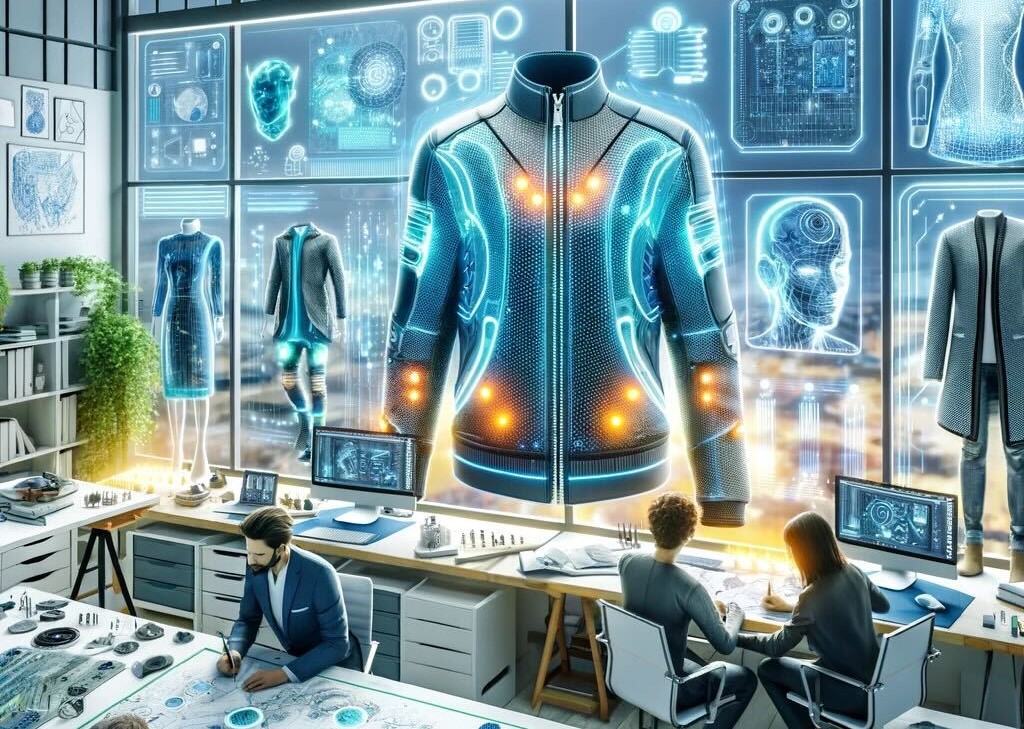
Discussions surrounding smart fabrics deepseekplay com also reflect the growing relationship between artificial intelligence and textile innovation. A connected sports garment could use machine learning to recognize different exercise movements, while an occupational safety uniform might identify unusual activity patterns. However, the effectiveness of these systems depends on sensor accuracy, representative training data, appropriate software design, and responsible interpretation. Reliable algorithms remain essential for preventing misleading recommendations and unnecessary alerts.
Smart Fabrics in Healthcare and Patient Monitoring
Healthcare represents one of the most promising applications of intelligent textiles. Conventional medical monitoring sometimes requires patients to wear multiple sensors or remain connected to specialized equipment. Smart garments may provide complementary monitoring solutions that support greater mobility and convenience. Textile-based electrodes and flexible sensors can be designed to capture selected physiological signals, including breathing activity, heart-related electrical signals, and body movement.
Potential applications include rehabilitation programs, remote patient monitoring, and elderly care. For example, a connected garment could help healthcare professionals observe movement patterns during recovery, while pressure-sensitive textiles may support assessments of prolonged sitting or limited mobility. Nevertheless, medical applications require appropriate clinical validation, regulatory compliance, and professional interpretation. Consumer-grade smart clothing should not be considered a replacement for medical diagnosis or clinically approved monitoring equipment.
Transforming Sports and Athletic Performance
Athletes continuously seek ways to understand their performance, improve training techniques, and manage recovery. Smart fabrics introduce opportunities to collect information during physical activity without relying entirely on separate monitoring accessories. Sportswear equipped with flexible sensors can measure selected movement patterns, stretching, pressure, and other performance-related indicators. Coaches and athletes may use this information to evaluate training sessions and identify areas that require further attention.
The growing interest in smart fabrics deepseekplay com demonstrates how textile innovation could influence the future of athletic clothing. A runner wearing sensor-enabled compression garments might receive information about movement consistency, while a cyclist could examine posture-related measurements during training. These insights may complement established coaching methods and help athletes make informed decisions. However, accurate garment positioning, proper calibration, and consistent measurements remain important for producing dependable results.
Temperature-Regulating Clothing for Everyday Comfort
Temperature management is an increasingly relevant application of smart textile technology. Traditional clothing relies on insulation, ventilation, and moisture management to maintain comfort. Advanced textiles can introduce additional capabilities through phase-change materials, electrically controlled heating elements, and responsive fabric structures. These technologies allow designers to explore garments that provide more flexible temperature management under different environmental conditions.
A winter jacket with integrated heating elements can offer adjustable warmth during outdoor activities, while specialized fabrics containing phase-change materials can temporarily absorb and release thermal energy. Such innovations may benefit commuters, outdoor workers, travelers, and individuals living in regions with changing weather conditions. Their effectiveness depends on environmental temperatures, material properties, garment construction, and available power. Intelligent temperature management is most valuable when it complements established clothing principles rather than compromising comfort or safety.
The Influence of Smart Textiles on Modern Fashion
Fashion has traditionally been associated with appearance, cultural expression, and personal identity. Intelligent materials introduce another dimension by allowing clothing to incorporate interactive and functional features. Designers are experimenting with illuminated fabrics, responsive patterns, flexible displays, and garments that interact with movement. These innovations create opportunities to develop fashion products that combine creativity with practical technological capabilities.
Smart fashion also encourages collaboration between textile manufacturers, software developers, electronic engineers, and clothing designers. A successful intelligent garment must maintain its visual appeal while remaining comfortable, durable, and easy to use. Consumers are unlikely to adopt sophisticated clothing if it creates unnecessary maintenance difficulties or interferes with everyday activities. Consequently, the future of smart fashion depends on balancing technological innovation with the fundamental qualities that make garments desirable.
Smart Fabrics for Industrial and Workplace Safety
Workplace safety is another important area where intelligent clothing could offer practical advantages. Employees working in construction, manufacturing, logistics, and other physically demanding environments may encounter risks associated with heat exposure, repetitive movement, and hazardous conditions. Sensor-enabled uniforms can potentially collect relevant information and provide alerts when predefined thresholds are reached.
For example, protective clothing could incorporate environmental temperature sensors to support heat-risk management. Movement-sensitive garments might assist ergonomic assessments by identifying repetitive postures that deserve further investigation. These applications should complement established workplace safety procedures rather than replace them. Employers must also establish appropriate privacy policies to ensure that employee information collected through wearable systems is handled responsibly and used for legitimate safety purposes.
Energy-Harvesting Fabrics and Self-Powered Wearables
Power management remains an important challenge for electronic clothing. Conventional batteries can increase garment weight, require regular charging, and complicate washing procedures. Researchers are investigating energy-harvesting textiles that convert movement, light, or temperature differences into electrical energy. These approaches could eventually reduce the dependence of selected wearable applications on conventional power sources.
The future-focused discussion around smart fabrics deepseekplay com includes the possibility of clothing that generates small amounts of electricity during everyday activities. Experimental textiles may harvest energy from walking, stretching, or exposure to sunlight. However, the electricity generated by many current research systems remains limited and may only support low-power sensors or intermittent operations. Further improvements in efficiency, storage capacity, durability, and manufacturing are necessary before self-powered clothing becomes widely practical.
The Integration of Smart Fabrics With Connected Devices
Wireless connectivity allows electronic textiles to communicate with smartphones, tablets, and other compatible systems. This capability makes intelligent clothing part of the broader Internet of Things ecosystem. Measurements collected by garment sensors can be transmitted to applications that organize information, display activity summaries, and provide notifications based on predefined settings.
A connected exercise shirt could synchronize selected training measurements with a fitness application, while a temperature-controlled jacket might allow users to adjust heating preferences through a mobile interface. Effective connectivity requires reliable communication, efficient power management, secure software, and intuitive controls. Manufacturers must ensure that these features genuinely improve the user experience rather than introducing unnecessary complexity. Clothing should remain functional even when a connected smartphone or internet connection is unavailable, wherever its intended design permits.
Environmental Sustainability and Intelligent Textile Design
Sustainability is an increasingly important consideration throughout the clothing industry. Intelligent textiles introduce both opportunities and challenges because they combine conventional fabric materials with electronic components. Durable smart garments could reduce replacement frequency, while energy-efficient designs may decrease charging requirements. However, electronic integration can also make recycling, repair, and responsible disposal more difficult.
Manufacturers are exploring modular designs that allow electronic components to be removed, repaired, or replaced independently of the garment. Research into recyclable conductive materials and biodegradable electronic components may also support more environmentally responsible manufacturing practices. The sustainability of smart clothing ultimately depends on its entire lifecycle, including raw material sourcing, production, transportation, energy consumption, maintenance, and disposal. A garment should not automatically be considered environmentally friendly simply because it incorporates advanced technology.
Key Benefits of Smart Fabrics in Daily Life
Intelligent textiles could make wearable technology more accessible by incorporating useful features into familiar clothing products. Their ability to support monitoring, environmental responsiveness, and digital communication creates opportunities across different lifestyles and professional environments.
Some of the potential benefits include:
-
Greater convenience through technology integrated directly into clothing.
-
Improved personal comfort through responsive textile materials.
-
Additional insights into physical activity and selected wellness indicators.
-
Enhanced occupational safety through appropriate environmental monitoring.
-
Reduced reliance on separate wearable accessories in certain applications.
These benefits depend heavily on product quality and intended functionality. A well-designed intelligent garment should provide measurable value while maintaining the comfort, flexibility, and reliability expected from traditional clothing.
Major Challenges Facing the Smart Fabric Industry
Despite their considerable potential, intelligent textiles face several technical and commercial obstacles. Electronic components must withstand repeated movement, stretching, exposure to moisture, and everyday wear. Washing is particularly challenging because water, detergents, and mechanical agitation can damage poorly protected electronic systems. Manufacturers must develop materials and construction techniques that maintain performance throughout a garment’s expected lifespan.

Production costs also remain a concern. Integrating specialized fibers, sensors, power systems, and wireless components can increase manufacturing complexity. Additionally, consumers may hesitate to purchase expensive garments that have uncertain maintenance requirements or limited practical functionality. Addressing these challenges requires collaboration between material scientists, textile manufacturers, electronics developers, and product designers.
Data Privacy and Security in Intelligent Clothing
Smart garments capable of collecting personal information introduce important privacy considerations. Depending on their design, wearable textiles may record physical activity, physiological measurements, movement patterns, or environmental information. Consumers should understand what information is collected, how it is stored, who can access it, and whether it is shared with external organizations.
Responsible discussions about smart fabrics deepseekplay com must therefore consider digital security alongside technological progress. Manufacturers should prioritize secure communication, transparent privacy policies, appropriate consent mechanisms, and user control over collected information. Products designed for healthcare and workplace environments require particular attention because inappropriate access to personal information could have serious consequences. Consumer confidence will depend not only on garment performance but also on responsible data management practices.
Emerging Smart Fabric Trends in 2026
Current smart textile development increasingly emphasizes practical integration rather than simply adding electronic features to clothing. Research focuses on flexible sensors, lightweight conductive materials, improved washing resistance, and more efficient power systems. Scientists are also investigating manufacturing techniques that could make electronic textiles easier to produce at commercial scale while preserving their flexibility and comfort.
Another important direction is the development of multifunctional garments capable of combining several complementary features. Future clothing may integrate movement sensing, temperature management, and wireless communication within a coordinated system. Nevertheless, many advanced concepts remain experimental or are available only in specialized markets. Commercial adoption will depend on whether manufacturers can deliver reliable functionality at prices consumers and businesses consider reasonable.
The Future of Smart Fabrics and Wearable Technology
The long-term future of intelligent textiles will likely involve closer integration between material science, artificial intelligence, and connected digital systems. Clothing could gradually become a more interactive platform that responds to individual preferences and environmental conditions. Potential developments include improved rehabilitation garments, responsive outdoor clothing, interactive fashion, and more practical monitoring solutions for professional environments.
However, technological sophistication alone will not determine the success of smart clothing. Consumers will expect products that are comfortable, affordable, durable, secure, and straightforward to maintain. Manufacturers that address these practical expectations may be better positioned to introduce intelligent textiles into everyday life. The most successful innovations will likely be those that solve recognizable problems without creating additional inconvenience.
Conclusion
Smart fabrics represent a significant development in the continuing evolution of wearable technology. By combining traditional textiles with intelligent materials, flexible sensors, responsive components, and digital connectivity, these innovations offer opportunities to improve clothing functionality across healthcare, fitness, fashion, workplace safety, and personal comfort. Their potential extends beyond conventional wearable accessories by making technological features part of garments people already use.
The broader conversation surrounding smart fabrics deepseekplay com emphasizes a future where clothing may become increasingly responsive, connected, and personalized. Although challenges involving affordability, durability, privacy, energy efficiency, and environmental sustainability remain, ongoing research is creating opportunities to address these limitations. As intelligent textiles become more practical and reliable, they could redefine the relationship between clothing and technology, making everyday garments valuable tools for modern lifestyles.

