

Not long ago, making an original piece of music meant a studio, expensive software, years of practice on an instrument, and often a team of people. Today, a content creator sitting in a bedroom with only a laptop can make a full background track, a catchy intro jingle, or an atmospheric soundscape in a few minutes. Artificial intelligence has changed who gets to make music, and platforms such as deepseekplay com are part of that change. They give musicians and non-musicians alike a fast way to turn ideas into sound.
The appeal is easy to see. YouTubers need background music that won’t get copyright strikes. Podcasters want intros that sound professional. Small businesses want short audio clips for reels and ads, and independent game developers need ambient loops that fit their worlds. Stock music libraries can cover some of this, but the same tracks show up in thousands of videos, and licensing them gets confusing. AI music generation offers something different: sound made for your project, shaped by your own descriptions and creative choices.
This article looks at how AI music creation works, what to expect when you use deepseekplay com, how to write prompts that produce better results, and which licensing and ethical points every creator should know before publishing AI-generated audio. Whether you are a hobbyist curious about the technology or a professional looking to speed up your workflow, this guide will help you use AI music tools with more confidence and creativity.
Understanding AI Music Generation in Today’s Creative Landscape
AI music generation uses machine learning models trained to recognize patterns in melody, rhythm, harmony, instrumentation, and song structure. When you give one of these systems a text description, such as “calm lo-fi beat with soft piano and rain sounds,” the model turns your words into musical features and produces audio that matches. Modern systems have improved enormously over the past two years. Early tools made short, robotic loops, while current models can produce full-length tracks with clear structure, realistic instruments, and even vocals.
The wider industry has changed too. Streaming services, music companies, and technology firms are all experimenting with AI-assisted creation, and major record labels have gradually moved from suing AI music companies toward negotiating licensing arrangements with them. That shift matters for everyday creators because it shows AI music becoming a mainstream part of the creative economy rather than a passing novelty. It also means the rules around ownership, attribution, and commercial use are still developing, so creators need to stay informed.
Why Original Sound Matters More Than Ever
Audiences are quick to recognize generic audio. If your video uses the same upbeat ukulele track as countless others, it blends into the background of their feed. Original sound helps build brand identity. Think of how a familiar podcast intro or a signature notification tone makes you recognize a brand instantly. AI tools let even small creators build that kind of sonic identity without hiring a composer for every project, which was simply out of reach for most people a few years ago.
What deepseekplay com Brings to Music Creators
At its core, deepseekplay com presents itself as an AI-powered space for creating original sounds and music from simple inputs. The idea behind platforms like this is to remove the technical barriers of traditional production, such as learning a digital audio workstation, understanding music theory, or mastering a track, so users can focus on the creative vision. You describe what you want, adjust a few options, and let the AI do the heavy lifting of composition and arrangement.
What makes this approach useful is how quickly you can iterate. A traditional composer might take days to deliver a draft, and revisions add more time. With an AI generator, you can produce several variations in one sitting, compare them side by side, and refine your prompt until the result fits your project. For creators working against tight publishing schedules, that speed can be the difference between posting on time and missing a trend entirely.
Who Can Benefit from AI-Generated Music
The audience for AI music tools is surprisingly broad. A fitness coach might need energetic tracks for workout videos, while a meditation app developer wants slow, calming ambient music. Teachers can create short musical cues for educational presentations, and wedding videographers can generate soft instrumental backgrounds for highlight reels. Even experienced musicians use AI generators as a sketchpad, producing rough ideas that they later rebuild and polish in professional software. The tool adapts to the user, whether they need a finished product or just a creative starting point.
How the AI Music Creation Process Works
Most AI music platforms follow a similar workflow, and understanding it helps you get better results. The process usually begins with a text prompt describing the genre, mood, tempo, and instruments you want. Some platforms also let you pick track length, add lyrics, or choose between instrumental and vocal output. Once you submit your request, the model generates one or more audio versions, which you can preview, download, or regenerate.
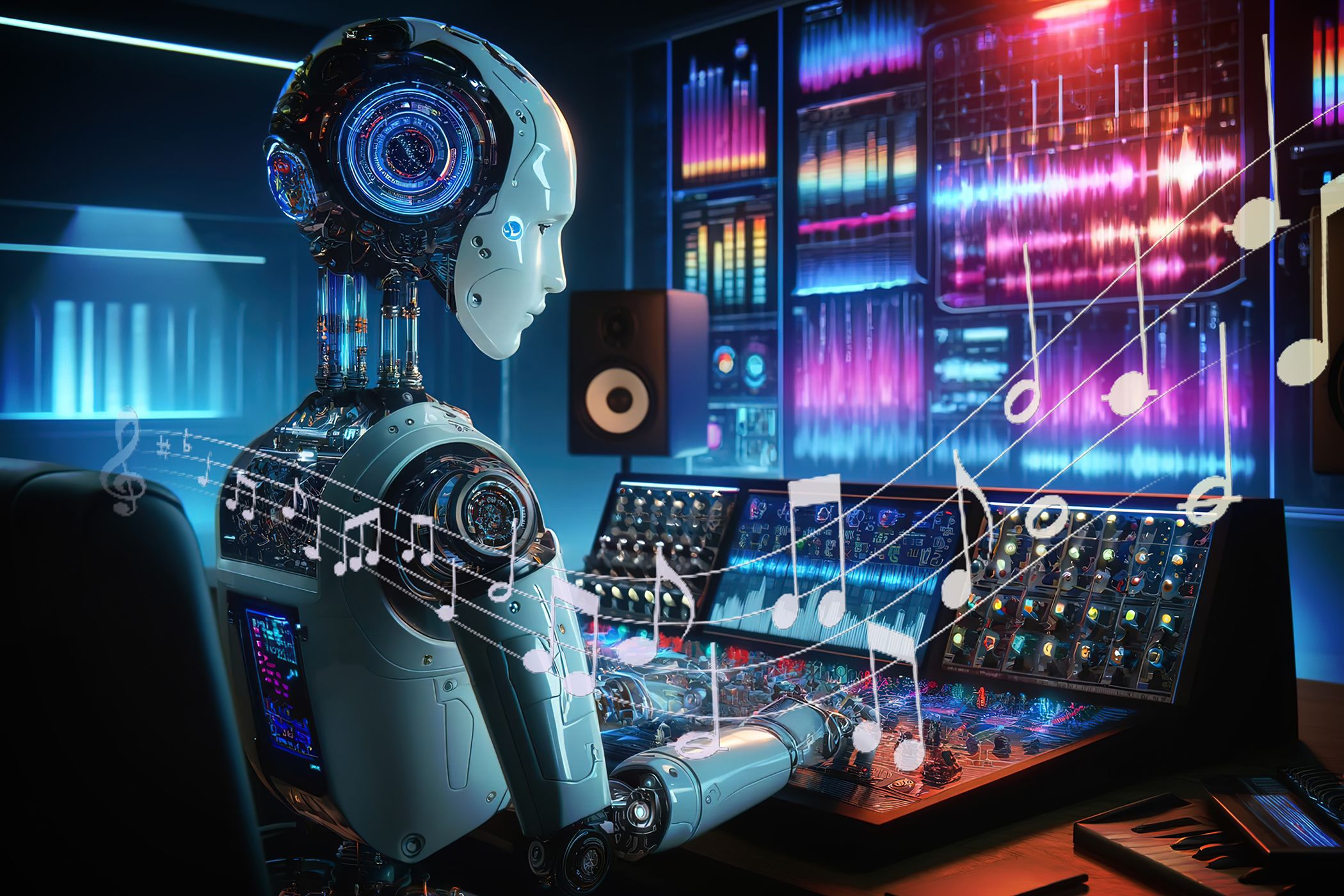
When working on deepseekplay com, it helps to treat the first generation as a draft rather than a final product. Listen carefully and note what works and what doesn’t. Maybe the drums are too busy, or the melody feels too cheerful for a serious documentary. Then adjust your prompt with that feedback in mind. This back-and-forth is where the real creativity happens, and creators who embrace iteration consistently get better results than those who accept the first output.
Writing Prompts That Produce Better Music
Prompt writing is a skill, and it matters as much in music generation as it does in AI writing or image tools. Vague prompts such as “nice music” give unpredictable results, while specific descriptions guide the model toward your vision. Compare “happy song” with “upbeat acoustic pop track at medium tempo with hand claps, bright guitar strumming, and a warm summer feeling.” The second prompt gives the AI far more to work with.
When you build prompts on deepseekplay com or any similar tool, these elements consistently make a difference:
- Genre and sub-genre, such as cinematic orchestral, synthwave, or Afrobeat
- Mood and emotion, like hopeful, tense, nostalgic, or playful
- Tempo and energy level, described as slow, mid-tempo, or fast-paced
- Specific instruments or sounds you want featured or avoided
- Intended use, such as a podcast intro, game background, or product ad
Adding the intended use is especially helpful because it tells the model how the track should behave. Background music for a tutorial video should stay out of the way of the narration, while a product launch jingle needs to grab attention within seconds.
Comparing AI Music Creation with Traditional Methods
Choosing between AI-generated music and traditional production depends on your budget, timeline, and creative goals. Neither approach is always better. Each has strengths, and many professionals now combine them. The comparison below shows how they differ on the factors creators care about most.
| Factor | AI Music Generation | Traditional Production | Stock Music Libraries |
|---|---|---|---|
| Time to first draft | Minutes | Days to weeks | Instant (pre-made) |
| Cost | Low or subscription-based | High (composer, studio, mixing) | Moderate per-track or subscription |
| Originality | Custom output per prompt | Fully unique and human-crafted | Shared by many users |
| Skill required | Minimal, prompt-based | High musical and technical skill | None |
| Creative control | Moderate, through prompts and iterations | Complete | Limited to selection |
| Best suited for | Content creators, quick projects, prototypes | Films, albums, flagship brand work | Generic background needs |
The table shows why AI tools have become so popular with digital creators. They sit in a sweet spot between the expense of custom composition and the sameness of stock libraries. For high-profile projects such as a feature film score or a major brand anthem, though, human composers still bring emotional depth and intentional storytelling that AI can’t fully replicate yet.
Practical Use Cases for AI-Generated Sounds
The most common use of AI music today is background audio for video content. YouTube creators, Instagram reel makers, and short-form video producers constantly need fresh tracks that fit their content and won’t trigger copyright claims. Generating a custom track for each video means the music actually matches the pacing and tone of the edit, rather than forcing the edit to fit a pre-existing song. A travel vlogger, for example, could create a breezy acoustic track for a beach sequence and a moodier ambient piece for a nighttime city segment, all within the same project.
Beyond video, deepseekplay com and similar tools are finding a place in gaming, podcasting, and marketing. Indie game developers can generate looping background themes for different levels, podcasters can create distinct intro and outro music, and marketers can test several jingle variations to see which one resonates with their audience before committing to a final version. Some music producers even use AI-generated stems as inspiration, sampling and reworking them into entirely new compositions. Creative uses keep growing as more people experiment with the technology.
Licensing, Copyright, and Ethical Considerations
This is the part many creators skip, and it is arguably the most important. Before using any AI-generated track commercially, read the platform’s terms of service carefully. Different platforms handle ownership differently. Some grant users full commercial rights, others restrict commercial use to paid plans, and some keep certain rights themselves. If you plan to monetize videos, sell products, or use music in client work, confirm what deepseekplay com currently allows under the plan you’re using, because terms across the AI industry change frequently.
Copyright law around AI-generated content is still developing in many countries. In several places, including the United States, copyright authorities have indicated that purely machine-generated work may not qualify for copyright protection without meaningful human creative input. In practice, that means adding your own creative contribution, such as editing, arranging, layering vocals, or combining AI output with your own recordings, can strengthen your claim to the final work. It also helps to keep simple records of your prompts and edits in case questions ever come up.
Using AI Music Responsibly
Ethics matter as much as legality. Avoid prompts that try to imitate a specific living artist’s voice or recreate a famous copyrighted song, since this can cross legal lines and undermines the musicians whose work shaped the industry. Be transparent with clients when a project uses AI-generated audio, and consider disclosing AI use to your audience where appropriate. Responsible use builds trust and keeps the creative ecosystem healthy for everyone, human musicians included.
Tips to Get the Most Out of AI Music Tools
Getting excellent results from AI music generation takes a mix of patience, experimentation, and good listening habits. Start by generating several versions from the same prompt, because AI output varies naturally and the third or fourth attempt is often noticeably better than the first. Listen on different devices, such as headphones, laptop speakers, and a phone, since a track that sounds rich on headphones may sound thin on a small speaker. That matters a lot for social media content, which is mostly watched on phones.
Post-processing is another way to lift your results. Even basic editing, like trimming a track to the right length, adding a fade-in or fade-out, or balancing its volume against your voiceover, makes AI music sound far more professional. If you’re comfortable with editing software, try layering AI-generated tracks with your own sound effects or recorded elements. Users who treat deepseekplay com as one tool in a larger creative toolkit, rather than a one-click solution, tend to produce the most distinctive and polished work.
The Future of AI in Music Creation
AI music technology is moving fast, and the next few years will likely bring even more realistic vocals, finer control over song structure, and better integration with editing software and content platforms. We are already seeing streaming services and music companies build AI features directly into their apps, and that trend is likely to continue. Creators may soon be able to adjust individual instruments within a generated track, extend songs seamlessly, or generate music that adapts in real time to video edits or gameplay.
At the same time, the relationship between AI companies and the traditional music industry is still being worked out. Licensing frameworks, fair compensation for the artists whose work trains these models, and clearer copyright rules will shape how these tools grow. For creators, the smart approach is to embrace the technology while staying informed about these changes, so that the work you create today remains safe to use tomorrow.
Conclusion
AI music creation has opened the door for millions of people who once felt shut out of music production. With platforms like deepseekplay com, anyone with a clear idea and a willingness to experiment can produce original sounds for videos, podcasts, games, and marketing campaigns, without expensive equipment or years of training. The real advantage is not just speed or cost savings but the freedom to create audio that truly matches your vision, instead of settling for whatever a stock library happens to offer.
Still, the best results come from using these tools thoughtfully. Write detailed prompts, iterate patiently, add your own creative touches, and always check the licensing terms before publishing commercially. Respect the artists who built the musical traditions these models learn from, and be open about your use of AI when it matters. Approached this way, AI music generation becomes more than a shortcut: a creative partner that helps you find a sound that is distinctly yours, and AI will likely play a growing role in how music gets made.

